Your Guide to Finding the Best Online Courses for Career Success
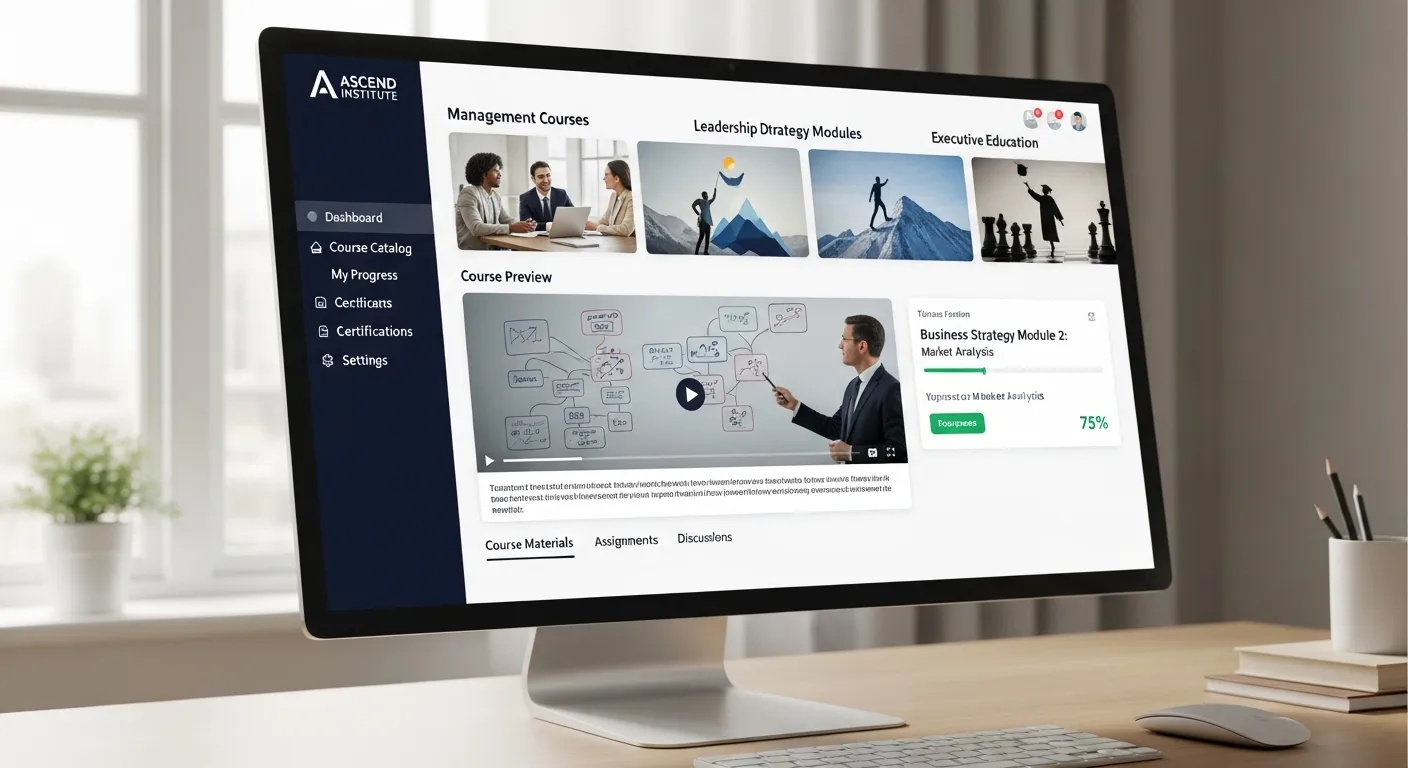
Your Guide to Finding the Best Online Courses for Career Success
In today's rapidly evolving professional landscape, continuous learning is no longer a luxury but a necessity for career advancement. The digital age has democratized education, offering a vast array of online courses designed to equip individuals with in-demand skills and knowledge. Navigating this expansive digital library to find the best online courses for career success can be daunting. This guide provides a structured approach to identify and select programs that will genuinely propel your professional journey forward, ensuring your investment in learning yields significant returns.
This comprehensive guide will help you:
- Identify your career goals and the skills you need.
- Evaluate different online learning platforms and course providers.
- Understand course accreditation and instructor credibility.
- Leverage online learning for tangible career outcomes.
Understanding Your Career Objectives
Before embarking on your search for online courses, a crucial first step is to clearly define your career aspirations. What specific skills are you looking to acquire? Are you aiming for a promotion in your current field, a career change, or to master a new technological trend? Your objectives will dictate the type of courses that are most relevant and beneficial.
For instance, if you aspire to move into a data science role, you'll need courses covering statistics, programming languages like Python or R, and machine learning concepts. Conversely, if your goal is to enhance your leadership capabilities, courses in management, communication, and strategic planning would be more appropriate. Prioritizing your learning needs ensures you focus on programs that directly contribute to your career trajectory.
Identifying Skill Gaps
A practical approach to defining your learning needs is to conduct a skills gap analysis. This involves comparing the skills you currently possess against those required for your desired career path or role. Industry reports, job descriptions for target positions, and conversations with professionals in your desired field can provide valuable insights into what skills are most sought after. Websites like LinkedIn, Glassdoor, and industry-specific forums are excellent resources for this research.
Evaluating Online Learning Platforms and Course Providers
The online learning landscape is populated by numerous platforms, each offering a unique selection of courses. Understanding their strengths and weaknesses is key to making an informed choice. Some of the most popular and reputable platforms include Coursera, edX, Udemy, LinkedIn Learning, and Udacity, among others.
Each platform caters to different learning styles and professional levels. For example, Coursera and edX are known for their university-partnered courses, often offering certificates and even degrees that carry significant academic weight. These are excellent for acquiring foundational knowledge or deep dives into academic subjects.
Udemy provides a vast marketplace of courses created by individual instructors, often focusing on practical, job-ready skills in areas like web development, digital marketing, and creative arts. These courses can be highly affordable and cover very specific, niche topics.
LinkedIn Learning (formerly Lynda.com) offers a professional-oriented library of courses focused on business, technology, and creative skills, often integrated with professional networking features. Its content is generally curated for skill development relevant to the modern workplace.
Udacity specializes in technology-focused "Nanodegree" programs, designed in collaboration with industry leaders to equip learners with the skills needed for tech careers in fields like AI, data science, and software engineering. These programs often include hands-on projects and career services.
Key Considerations for Platform Selection
When choosing a platform, consider:
- Course Variety and Specialization: Does the platform offer courses in your field of interest?
- Learning Format: Do you prefer self-paced learning, instructor-led sessions, or a blend of both?
- Cost and Value: Are the course fees aligned with your budget and the perceived value?
- User Reviews and Ratings: What do other learners say about the quality of instruction and course content?
Assessing Course Quality and Credibility
Beyond the platform, the quality and credibility of individual online courses are paramount. A well-designed course with expert instructors can make all the difference in your learning experience and the acquisition of practical skills.
Instructor Expertise and Experience
The instructor's credentials are a significant indicator of a course's value. Look for instructors who have:
- Relevant academic qualifications in the subject matter.
- Extensive professional experience in the industry they are teaching.
- A proven track record of teaching or public speaking.
For example, a course on digital marketing taught by a seasoned digital marketing manager with a portfolio of successful campaigns will likely offer more practical, actionable insights than one taught by someone with only theoretical knowledge. Credible instructors often share case studies and real-world examples, which greatly enhance understanding.
Course Content and Structure
A high-quality online course should have a well-structured curriculum that progresses logically from fundamental concepts to more advanced topics. Look for:
- Clear learning objectives for each module.
- A mix of learning materials: videos, readings, quizzes, assignments, and projects.
- Opportunities for practical application: hands-on exercises, case studies, and capstone projects.
- Up-to-date content: especially crucial in fast-moving fields like technology.
Data from a 2024 study by the Online Learning Consortium indicated that courses incorporating interactive elements and project-based learning reported higher student engagement and knowledge retention rates. This suggests that active learning components are key to effective online education.
Accreditation and Certification
While not all online courses offer formal accreditation, some do. University-backed courses on platforms like Coursera or edX often provide certificates that can be added to your LinkedIn profile or resume. In certain fields, industry-recognized certifications can significantly boost your employability. Research whether the certification offered by a course is valued by employers in your target industry. For instance, cloud computing certifications from providers like AWS or Microsoft Azure are highly sought after by tech companies.
Leveraging Online Learning for Tangible Career Outcomes
The ultimate goal of taking online courses is to achieve tangible career success. This means not just acquiring knowledge but also being able to apply what you've learned and demonstrate its value to potential or current employers.
Building a Portfolio of Work
Many online courses, particularly those in creative and technical fields, encourage or require students to complete projects. These projects serve as a powerful portfolio that showcases your skills to employers. For aspiring web developers, a portfolio of functional websites built during their courses is far more convincing than a resume alone. Similarly, graphic designers can present their design projects, and data scientists can share their analyses and visualizations.
As noted by industry analysts in a 2025 report on workforce development, individuals who actively build and showcase project portfolios are often seen as more job-ready and proactive learners. This trend underscores the importance of practical application in online learning.
Networking and Community Engagement
Some online courses foster a sense of community through forums, discussion boards, or even live Q&A sessions. Engaging with instructors and fellow learners can lead to valuable networking opportunities. You might connect with industry professionals, potential collaborators, or even future employers. Active participation in course communities can open doors you might not have found otherwise.
Demonstrating Continuous Learning
In your resume and during job interviews, highlight the online courses and certifications you've completed. Frame your learning not just as acquiring new skills but as a commitment to professional growth and staying current in your field. This demonstrates initiative and a proactive approach to your career development.
Unique Insights and Latest Trends in Online Learning
The landscape of online learning is constantly evolving. Here are some differentiated points to consider:
Micro-credentialing and Skill-Based Learning
Beyond traditional degrees or lengthy certificate programs, micro-credentials are gaining traction. These are smaller, focused credentials that validate specific skills. Many employers are increasingly valuing these granular skill validations, as they can quickly identify candidates with precise expertise. Platforms are increasingly offering these, allowing learners to upskill in very targeted areas without committing to a full program.
AI-Powered Learning and Personalized Paths
Artificial intelligence is beginning to play a role in personalizing the online learning experience. AI algorithms can now assess a learner's existing knowledge, identify their optimal learning style, and recommend customized learning paths. This personalized approach ensures that learners focus on what they need most, making their educational journey more efficient and effective.
Authoritative Industry Sources
- Online Learning Consortium (OLC) - "State of Digital Learning Report 2024": This report often details trends in online course enrollment, effectiveness, and emerging pedagogical approaches. It provides data on student engagement and completion rates based on various learning formats.
- World Economic Forum (WEF) - "Future of Jobs Report 2025": This report highlights the most in-demand skills for the coming years across various industries, helping individuals identify areas for targeted online learning and skill development.
- LinkedIn Learning - "Workplace Learning Trends 2024": This annual report offers insights into the skills employees and employers are prioritizing, including popular learning categories and the impact of continuous learning on career progression.
Frequently Asked Questions (FAQ)
Q1: How do I know if an online course is worth the investment? A1: Consider the course's relevance to your career goals, the instructor's credentials, the curriculum's depth, and whether it offers a valuable certification or portfolio-building opportunities. Look for reviews and testimonials from past students in similar professional situations.
Q2: What's the difference between a certificate and a degree from an online course? A2: Online certificates typically focus on specific skills or subjects, offering a quicker path to targeted knowledge. Online degrees, often offered by universities, are more comprehensive, covering a broader range of subjects and typically requiring a greater time commitment, leading to a more formal academic qualification.
Q3: Can online courses truly replace traditional classroom learning for career advancement? A3: For many skills, yes. Online courses offer flexibility and accessibility. While they may not replicate all aspects of in-person interaction, the quality of content, instructor expertise, and hands-on project opportunities can be on par with, or even exceed, traditional settings. Your ability to apply the learned skills is key.
Q4: How can I stay motivated to complete online courses? A4: Set a realistic study schedule, break down course material into manageable chunks, join study groups or online communities for support, and regularly remind yourself of your career goals. Celebrating small milestones can also help maintain momentum throughout the learning process.
Conclusion and Next Steps
Choosing the right online courses is a strategic investment in your future. By carefully defining your career objectives, diligently evaluating platforms and course providers, and focusing on acquiring practical, demonstrable skills, you can unlock significant career advancement opportunities. The world of online education offers an unparalleled pathway to continuous growth and adaptation in the modern professional world.
Your journey to career success is ongoing. Start by identifying one key skill you'd like to develop this quarter. Explore the platforms and courses mentioned, read reviews, and don't be afraid to invest in your professional development.
We encourage you to share your experiences with online learning in the comments below! What courses have helped you the most? What advice do you have for others? Subscribe to our newsletter for more insights on career development and specialized industry training.
For readers interested in further exploring professional development, consider looking into articles on mention a related topic, e.g., "upskilling for the digital economy" or exploring categories focused on mention a related category, e.g., "professional certifications".