Unlock Your Potential: Best Online Courses for Career Advancement
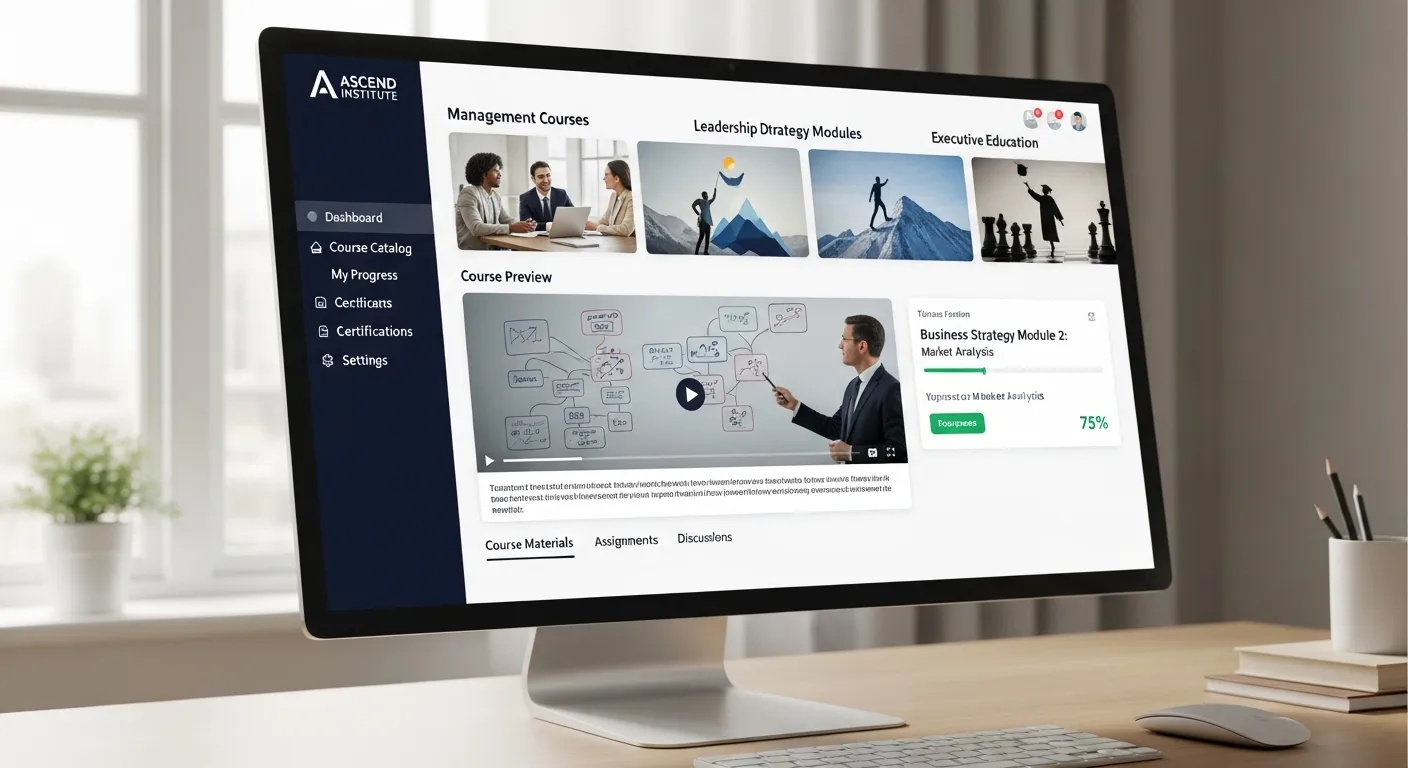
In today's rapidly evolving professional landscape, continuous learning is no longer a luxury but a necessity. Staying ahead requires a commitment to upskilling and reskilling, and thankfully, the digital age has made accessing high-quality education more accessible than ever. Unlocking your potential through best online courses for career advancement can be the catalyst for significant professional growth, leading to new opportunities, promotions, and increased earning potential.
This guide will explore the landscape of online learning platforms and curated courses designed to elevate your career. We’ll delve into how strategic course selection can directly impact your professional trajectory and highlight key areas where targeted learning can yield the most significant returns.
Key Points:
- Skill Development: Acquire in-demand skills to stay competitive.
- Career Mobility: Open doors to promotions and new job roles.
- Flexibility: Learn at your own pace and on your own schedule.
- Industry Relevance: Stay updated with the latest trends and technologies.
- Networking Opportunities: Connect with instructors and peers.
The Power of Online Learning for Career Advancement
The digital revolution has democratized education, offering a wealth of knowledge at our fingertips. Gone are the days when career advancement was solely tied to traditional degrees or in-person workshops. Online courses, delivered through reputable platforms, provide specialized knowledge, practical skills, and even certifications that are highly valued by employers. Whether you aim to pivot into a new industry, deepen your expertise in your current field, or master a specific software, there's an online course designed to meet your needs.
Investing in your professional development through online learning demonstrates initiative and a commitment to growth, qualities that are highly attractive to employers. Furthermore, the ability to tailor your learning path allows you to address specific skill gaps and capitalize on emerging career trends. The flexibility of online courses means you can seamlessly integrate learning into your busy schedule, ensuring that your career advancement never has to take a backseat.
Identifying Your Career Advancement Goals
Before diving into the vast ocean of online courses, it's crucial to define your objectives. What does career advancement mean for you? Are you looking for a promotion within your current company? Do you aspire to transition into a different industry? Or perhaps you're aiming to become a subject matter expert in a niche field?
Considerations for Goal Setting:
- Industry Trends: Research which skills are most in-demand in your target industry or role. Sources like LinkedIn's Emerging Jobs Report or industry-specific publications can offer valuable insights.
- Personal Interests: Align your learning with your passions. This makes the process more engaging and sustainable.
- Skill Gaps: Honestly assess your current skill set and identify areas where you need improvement to reach your desired position.
- Long-Term Vision: Where do you see yourself in 5-10 years? Your online learning journey should support this vision.
Top Online Course Platforms for Professional Growth
Several leading online learning platforms offer a diverse range of courses, from short, focused modules to comprehensive certification programs. Each platform has its strengths, catering to different learning styles and career aspirations.
Coursera
Coursera partners with top universities and companies worldwide to offer courses, Specializations, and degrees. Their catalog spans numerous disciplines, including technology, business, data science, and health. Many courses are taught by renowned academics and industry leaders.
Highlights for Career Advancement:
- University-Backed Certificates: Earn credentials from prestigious institutions.
- Specializations: Structured learning paths designed to build mastery in a specific field.
- MasterTrack® Certificates: Offer a series of Master's-level courses for career advancement.
- Job-Related Skills: Focus on practical skills that directly apply to job requirements.
A report from Burning Glass Technologies, analyzing job postings, consistently shows a high demand for skills taught in Coursera's popular data science and business analytics specializations. This underscores the platform's relevance for individuals seeking to advance in these fields.
edX
Founded by Harvard University and MIT, edX provides a wide array of courses from leading global institutions. It offers both individual courses and MicroMasters programs, which can often be credited towards a full Master's degree.
Highlights for Career Advancement:
- Rigorous Academic Content: High-quality instruction from top universities.
- MicroMasters Programs: Accelerated Master's programs designed for career advancement.
- Professional Certificates: Focused programs that equip learners with specific job-ready skills.
- Focus on STEM and Humanities: Broad coverage across diverse academic fields.
Udemy
Udemy is a massive open online course (MOOC) marketplace with an extensive library of courses created by independent instructors. It's known for its affordability and the sheer breadth of topics covered, often including highly specialized and niche subjects.
Highlights for Career Advancement:
- Practical, Hands-On Skills: Many courses focus on immediate application.
- Affordable Pricing: Frequent sales make professional development accessible.
- Diverse Topics: From coding and digital marketing to personal development and creative arts.
- Lifetime Access: Learn at your own pace without time constraints.
LinkedIn Learning
Formerly Lynda.com, LinkedIn Learning offers a vast collection of video courses taught by industry experts. Its integration with LinkedIn profiles allows users to showcase completed courses and skills directly to their professional network.
Highlights for Career Advancement:
- Career-Focused Content: Courses are designed with professional development in mind.
- Skill Paths: Curated series of courses to develop comprehensive skill sets.
- Industry Relevance: Content is regularly updated to reflect current market needs.
- Networking Integration: Showcase learning achievements on your LinkedIn profile.
According to LinkedIn's own data, professionals who continuously learn on the platform are more likely to receive promotions and secure new roles. This highlights the platform's direct impact on career progression.
Skillshare
Skillshare focuses on creative skills, business, and technology, with a strong emphasis on project-based learning. It's an excellent platform for professionals looking to add creative flair or explore adjacent skills that complement their core competencies.
Highlights for Career Advancement:
- Project-Based Learning: Develop practical skills through hands-on projects.
- Creative and Business Focus: Ideal for professionals in marketing, design, and entrepreneurship.
- Community Engagement: Opportunities to connect with instructors and fellow learners.
- Subscription Model: Access to all courses for a monthly or annual fee.
Key Areas for Career Advancement Through Online Courses
Certain domains consistently offer high returns on investment for career advancement. Focusing your learning efforts in these areas can significantly boost your employability and earning potential.
1. Technology and Data Science
The demand for tech-savvy professionals continues to soar. Courses in programming, data analysis, artificial intelligence, cybersecurity, and cloud computing are invaluable.
- Programming Languages: Python, Java, JavaScript remain critical for software development and data science.
- Data Analysis & Visualization: Tools like SQL, Tableau, and Power BI are essential for extracting insights from data.
- Cloud Computing: Certifications from AWS, Azure, or Google Cloud are highly sought after.
- Artificial Intelligence & Machine Learning: Understanding AI concepts and tools is becoming increasingly important across industries.
A 2024 report by McKinsey & Company highlighted that roles requiring advanced digital skills are projected to grow by over 40% in the next five years, emphasizing the critical need for upskilling in these areas.
2. Business and Management
Strong business acumen and leadership skills are fundamental for career progression. Courses in project management, digital marketing, finance, leadership, and business strategy can propel you forward.
- Project Management: Certifications like PMP (Project Management Professional) or Agile methodologies are highly respected.
- Digital Marketing: SEO, content marketing, social media marketing, and paid advertising skills are vital in today's digital economy.
- Leadership & Management: Developing soft skills like communication, team building, and strategic thinking is crucial for leadership roles.
- Financial Literacy: Understanding financial statements, budgeting, and investment principles is beneficial for all professionals.
3. Soft Skills and Professional Development
While technical skills are essential, soft skills are often the differentiators for leadership and higher-level roles.
- Communication Skills: Effective verbal and written communication, presentation skills.
- Problem-Solving & Critical Thinking: Analyzing complex issues and devising effective solutions.
- Emotional Intelligence: Understanding and managing your own emotions and those of others.
- Time Management & Productivity: Optimizing your workflow to achieve more in less time.
- Adaptability & Resilience: Navigating change and bouncing back from setbacks.
Many employers are recognizing the equal importance of these skills. A survey by the World Economic Forum identified critical thinking, creativity, and complex problem-solving among the top skills needed for the future of work.
Differentiating Your Learning Journey
To truly stand out, consider how you can approach online learning with a unique strategy.
1. Interdisciplinary Learning
Don't confine yourself to a single domain. Combining skills from different fields can lead to innovative solutions and unique career paths. For instance, a marketing professional with a strong understanding of data analytics can offer exceptional strategic insights. Similarly, a software developer with an appreciation for user experience design can build more intuitive and effective products. Exploring courses that bridge disciplines can create a powerful, differentiated skill set.
2. Focus on Emerging Technologies and Trends
While established skills are important, staying abreast of the latest advancements is crucial for long-term career relevance. Look for courses that explore cutting-edge fields like quantum computing, advanced AI ethics, sustainable business practices, or the metaverse. Learning about these emerging areas before they become mainstream can position you as a thought leader and open doors to future opportunities. This proactive approach to learning is a significant advantage.
Building Your Online Learning Strategy
Crafting a personalized learning plan is key to maximizing the benefits of online courses for career advancement.
- Assess Your Current Role and Future Aspirations: Understand the skills required for your desired next step.
- Research Platforms and Courses: Compare curricula, instructor credentials, and reviews. Look for courses that offer practical projects and demonstrable outcomes.
- Prioritize and Sequence: Start with foundational skills or those that address your most immediate needs.
- Integrate Learning: Schedule dedicated time for study and practice. Consider how you can apply new knowledge in your current role.
- Seek Certifications: Where applicable, pursue certifications that are recognized and valued in your industry.
- Network: Engage with instructors and fellow learners. Online communities can be a valuable source of support and opportunities.
For those interested in enhancing their professional communication, exploring our related articles on mastering persuasive writing techniques can offer further actionable advice.
Frequently Asked Questions (FAQ)
Q1: How can I choose the right online course for career advancement? A: Start by defining your career goals and identifying specific skills needed. Research platforms like Coursera, edX, Udemy, and LinkedIn Learning. Look for courses with strong reviews, relevant syllabi, and opportunities for practical application. Consider instructors' expertise and industry recognition of any offered certificates.
Q2: Are online course certificates as valuable as traditional degrees? A: While not a direct replacement for a degree, reputable online course certificates and specializations are increasingly valued by employers, especially in tech and specialized fields. They demonstrate up-to-date skills and a commitment to continuous learning. Many programs offer MicroMasters or professional certificates that can even count towards degree programs.
Q3: How much time should I dedicate to online courses for career advancement? A: The time commitment varies greatly depending on the course. Short courses might take a few hours, while specializations or certificate programs can range from a few weeks to several months. Aim for consistent, dedicated study sessions, perhaps 3-5 hours per week, integrating learning into your routine to avoid burnout.
Q4: Can I learn a new language online for career advancement? A: Absolutely! Proficiency in a second language can significantly boost your career, especially in international business, diplomacy, or roles serving diverse communities. Platforms like Duolingo, Babbel, and Pimsleur offer excellent online language courses, and many universities on Coursera and edX also provide language learning programs.
Conclusion and Next Steps
Unlocking your potential through the best online courses for career advancement is a powerful strategy for navigating the modern professional world. By strategically selecting courses that align with your goals and leverage emerging trends, you can acquire in-demand skills, enhance your expertise, and open doors to new opportunities.
The journey of continuous learning is ongoing. Embrace the flexibility and accessibility of online education to not just keep pace with change, but to lead it.
What's your next step?
- Explore a platform: Visit Coursera, edX, Udemy, or LinkedIn Learning today and browse courses in your field of interest.
- Identify a skill gap: Take stock of your current skills and pinpoint one area for immediate improvement.
- Share your experience: In the comments below, share which online course has most significantly impacted your career!
For readers looking to further refine their professional toolkit, exploring our guides on developing effective leadership strategies could provide complementary insights.