Online Graphic Design Courses: Building a Creative Portfolio
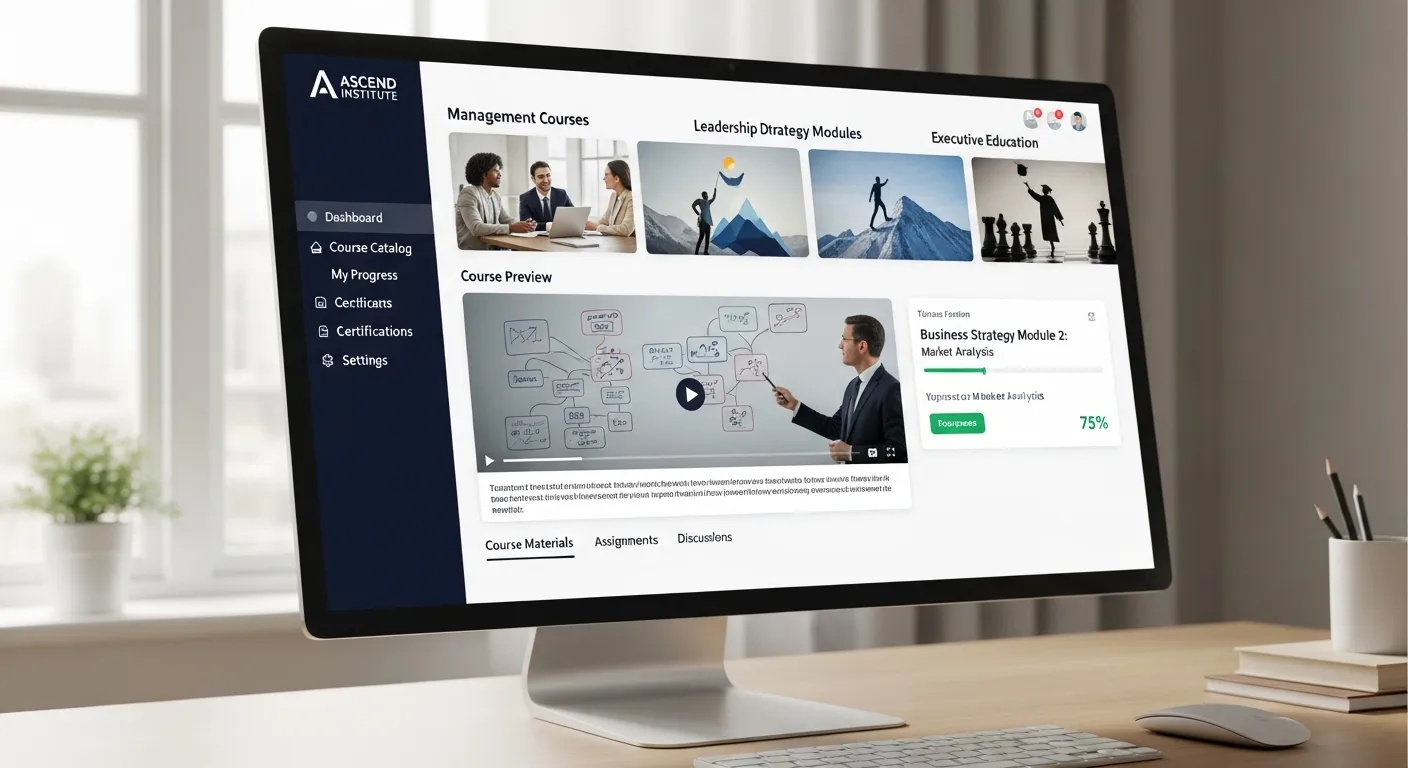
Embarking on a journey into graphic design can be an incredibly rewarding path, opening doors to diverse and exciting career opportunities. With the digital landscape constantly evolving, mastering the art of visual communication is more crucial than ever. This is where online graphic design courses shine, offering flexible and comprehensive learning experiences. The ultimate goal for aspiring designers is often to build a creative portfolio that not only showcases their skills but also tells a compelling story about their design thinking. A well-crafted portfolio is your digital handshake, your visual resume, and your most powerful marketing tool. This guide will explore how to leverage online courses to construct a portfolio that captivates and converts.
Key Points:
- Strategic Skill Development: Online courses provide structured learning paths for essential design principles and software.
- Portfolio Project Focus: Learning to select and refine projects for maximum impact is vital.
- Industry Relevance: Staying updated with current design trends ensures your portfolio remains competitive.
- Showcasing Process: Demonstrating your creative thought process adds depth to your work.
- Targeted Audience: Tailoring your portfolio to specific job applications can yield better results.
The Foundation: Choosing the Right Online Graphic Design Courses
The first step in building a robust creative portfolio through online learning is selecting the right courses. The sheer volume of options can be overwhelming, but focusing on a few key aspects will guide your decision. Look for programs that not only teach foundational design principles like typography, color theory, and composition but also offer hands-on experience with industry-standard software such as Adobe Photoshop, Illustrator, and InDesign. Many leading platforms offer comprehensive curricula covering everything from logo design to web design and branding.
When evaluating courses, consider their project-based learning approach. The most effective online graphic design courses will integrate real-world projects that you can directly include in your portfolio. This practical application is invaluable, as it moves beyond theoretical knowledge to tangible outcomes. For instance, a course module focused on branding could culminate in the creation of a complete brand identity package for a fictional company, including a logo, color palette, typography, and mockups. This type of project serves a dual purpose: learning and portfolio building.
Understanding Core Design Principles
Before diving into software, a solid grasp of design fundamentals is paramount. Many online courses dedicate significant time to these core concepts:
- Typography: The art and technique of arranging type to make written language legible, readable, and appealing when displayed.
- Color Theory: Understanding how colors interact, evoke emotions, and influence perception.
- Layout and Composition: Principles of arranging visual elements to create balance, hierarchy, and visual flow.
- Visual Hierarchy: Guiding the viewer's eye through a design by emphasizing important elements.
- Branding and Identity: Developing cohesive visual systems that represent a company or product.
These principles are the bedrock upon which all successful graphic design is built. Excellent online graphic design courses will emphasize their importance and provide exercises to hone these skills.
Crafting Your Creative Portfolio: From Coursework to Masterpieces
Once you have a foundational understanding and have started completing projects within your online courses, the next critical phase is curating and presenting this work in a compelling portfolio. Your portfolio isn't just a collection of assignments; it's a narrative of your growth as a designer.
Selecting Your Best Work
This is perhaps the most challenging yet crucial step. Not every project you complete will make it into your final portfolio. Aim for quality over quantity. Select projects that:
- Demonstrate a Variety of Skills: Showcase different types of design, such as branding, web design, print collateral, or social media graphics.
- Highlight Your Strengths: Focus on areas where you excel and feel most passionate.
- Showcase Problem-Solving: Include projects where you had to overcome design challenges or meet specific client objectives.
- Reflect Current Industry Trends: Ensure your work is contemporary and relevant to the kind of roles you're seeking.
A common mistake is including every single project. Instead, curate a focused selection that tells a cohesive story. Think about the ideal role you want and tailor your portfolio to that. If you're aiming for a UI/UX design position, prioritize web and app design projects. For a branding role, focus on logo design and brand identity systems.
Presenting Your Projects Effectively
The way you present your work is as important as the work itself. A professional and well-organized portfolio can significantly elevate your perceived value.
- High-Quality Mockups: Use realistic mockups to show your designs in context. For example, display a logo on business cards and signage, or present a website design on desktop and mobile screens. This helps potential clients or employers visualize your work in a real-world application.
- Case Studies: Don't just show the final product; explain your process. A case study should detail the project's objective, your design approach, challenges you faced, and the solutions you implemented. This demonstrates your critical thinking and problem-solving abilities, providing differentiated value beyond just aesthetics. For example, a case study for a rebranding project could detail the research conducted, the rationale behind the new logo, and the impact of the redesign.
- Clean and Intuitive Navigation: Whether it's a personal website or a platform like Behance, ensure your portfolio is easy to navigate. Users should be able to find what they're looking for quickly and effortlessly.
Demonstrating Your Design Process
Modern employers and clients are not just looking for pretty pictures; they want to understand how you think and how you arrive at your design solutions. Showcasing your design process is a powerful way to achieve this. Within your case studies, include sketches, wireframes, mood boards, and early iterations of your designs. This visual journey reveals your problem-solving methodology and your ability to iterate and refine your ideas. This approach offers unique insight, moving beyond static final outputs to demonstrate the dynamic nature of creative problem-solving.
Leveraging Online Courses for Portfolio Growth and Beyond
The learning doesn't stop once you've completed a few core courses. The best online graphic design courses offer continuous learning opportunities and pathways to specialization.
Specialization and Advanced Skills
As you progress, you might find yourself drawn to specific areas of graphic design, such as motion graphics, UI/UX design, or packaging design. Many online platforms offer specialized tracks or advanced courses that allow you to deepen your expertise. Pursuing these advanced studies will enable you to create more sophisticated and targeted projects for your portfolio. For instance, completing a course in responsive web design will allow you to include robust website projects that adapt seamlessly across devices.
Staying Current with Industry Trends
The field of graphic design is dynamic, with trends in aesthetics, technology, and user behavior constantly evolving. Your online courses should ideally incorporate up-to-date information and tools. A reputable course provider will update its curriculum regularly to reflect these changes. For example, recent trends in web design have seen a rise in brutalist aesthetics and immersive 3D elements. Courses that cover these emerging styles will equip you to create portfolio pieces that are both innovative and relevant. According to a report by Designmodo (published 2024), there's a growing demand for designers who can create accessible and inclusive designs, a topic increasingly addressed in advanced digital design curricula.
Building a Professional Online Presence
Beyond your portfolio website, consider establishing a broader professional online presence. This might include:
- A LinkedIn Profile: Optimize your profile with your skills, experience, and a link to your portfolio.
- Active Behance/Dribbble Presence: These platforms are excellent for showcasing work-in-progress and connecting with other designers and potential clients.
- Personal Branding: Develop a consistent visual identity that extends to all your online platforms, reinforcing your personal brand.
The Importance of Feedback and Iteration
No portfolio is perfect from the start. Seeking feedback is an essential part of the refinement process. Many online graphic design courses offer peer review sessions or instructor feedback. Don't hesitate to ask for critiques from experienced designers or mentors.
- Constructive Criticism: Be open to feedback, even if it's difficult to hear. It's an opportunity for growth.
- Iterative Improvement: Use the feedback to revise your projects and improve your presentation. This iterative process is a hallmark of professional design work.
A recent study by the AIGA (published 2025) highlighted that designers who actively seek and incorporate feedback are more likely to secure freelance opportunities and advance their careers.
Frequently Asked Questions
Q1: How many projects should I include in my graphic design portfolio? A1: Aim for quality over quantity, typically between 5-10 strong projects. Focus on showcasing a range of skills and your best work that aligns with your career goals.
Q2: Is it better to build my own portfolio website or use a platform like Behance? A2: Both have benefits. A personal website offers maximum control over branding and presentation. Platforms like Behance offer built-in communities and discoverability. Many designers use both, with their website as the primary hub and Behance for broader reach.
Q3: How often should I update my creative portfolio? A3: Update your portfolio regularly, ideally every 3-6 months, or whenever you complete a significant new project. This ensures your work remains current and relevant to industry trends.
Q4: Can online courses truly prepare me for a career in graphic design? A4: Yes, reputable online graphic design courses can provide the necessary skills and knowledge. However, success also depends on your dedication to practice, building a strong portfolio, and actively seeking opportunities.
Conclusion: Your Creative Future, Built Project by Project
Investing in online graphic design courses is a strategic move for anyone aspiring to build a successful career in this dynamic field. The key lies in not just acquiring knowledge but in diligently applying it to build a creative portfolio that is a true reflection of your talent, skills, and potential. By selecting the right courses, focusing on fundamental principles, curating your best work, and presenting it professionally, you lay a solid foundation for your design journey. Remember to showcase your process, stay updated with industry trends, and continuously seek feedback for improvement.
Your portfolio is a living document that will evolve with your career. Keep learning, keep creating, and keep refining. The world of design awaits your unique perspective and creative contributions.
Ready to start building your dream design portfolio? Explore our curated list of top-tier online graphic design courses and take the first step towards your creative future today. Share your portfolio-building tips in the comments below!