Online Course Reviews: Find the Best Platforms for Skill Building
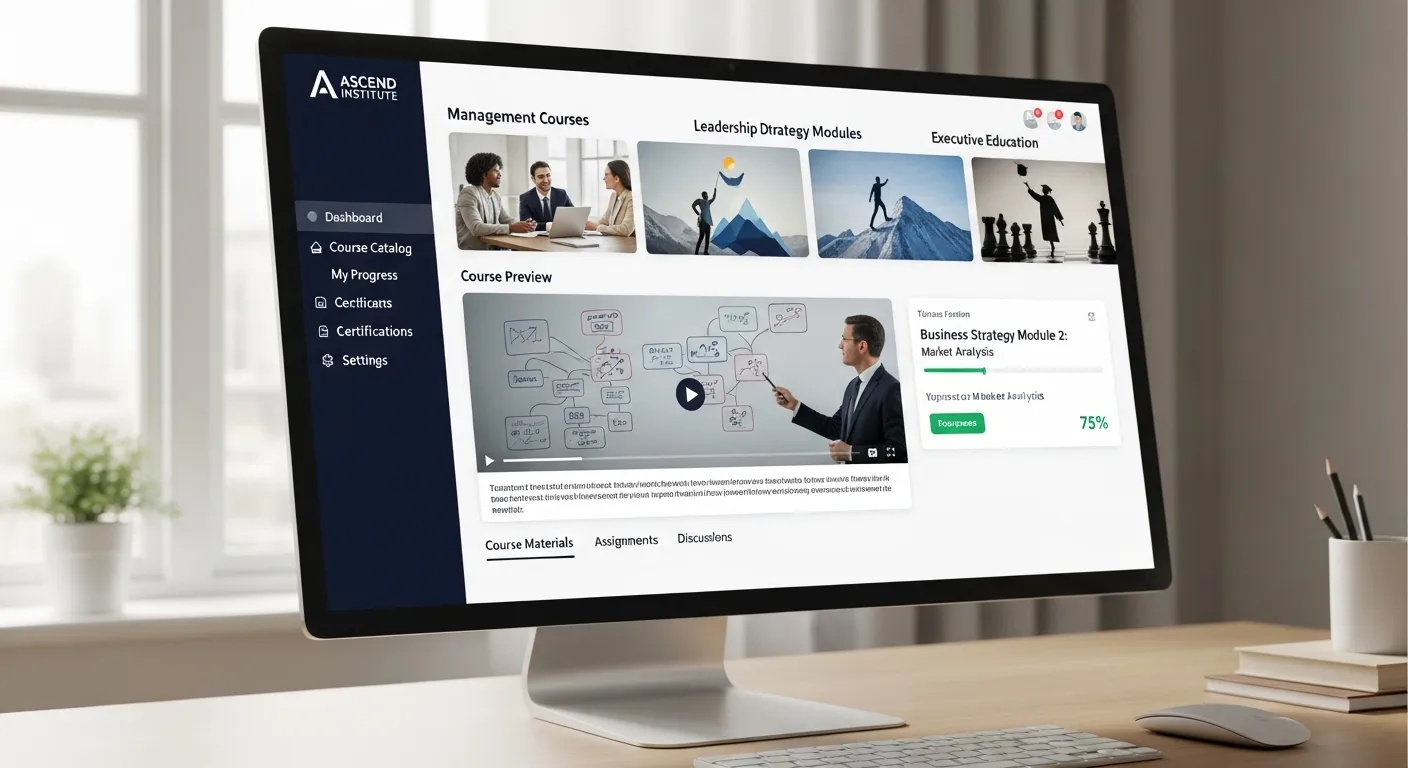
Unlocking Your Potential: Navigating the World of Online Course Reviews for Skill Building
In today's rapidly evolving professional landscape, continuous learning and skill development are no longer optional—they are essential. Whether you're looking to advance your career, pivot to a new industry, or simply master a new hobby, online courses offer an accessible and flexible pathway. But with an overwhelming number of platforms available, choosing the right one can be a daunting task. This is where comprehensive online course reviews become invaluable. By examining user feedback, course quality, instructor expertise, and platform features, you can make an informed decision and find the best platforms for your skill-building endeavors.
Key Points:
- Informed Decision-Making: Leverage expert and user reviews to select platforms aligned with your learning goals.
- Platform Variety: Explore diverse platforms catering to different learning styles and subject matters.
- Quality Assurance: Understand the metrics that define high-quality online courses and instructors.
- Skill Enhancement: Identify platforms that offer practical, in-demand skills for career growth.
- Cost-Effectiveness: Compare pricing models and value propositions to maximize your investment.
Why Online Course Reviews Matter for Effective Skill Building
The digital learning arena is vast, encompassing everything from coding bootcamps and creative arts workshops to business management seminars and personal development programs. Finding the best online courses for skill building requires more than just a quick search; it demands an understanding of what makes a platform truly effective. Online course reviews act as a crucial filter, providing real-world insights that official course descriptions might omit. They offer a glimpse into the student experience, highlighting strengths and weaknesses that directly impact learning outcomes.
When sifting through online course reviews, consider the following aspects:
- Instructor Credibility: Are instructors industry experts with practical experience? Do they have a proven track record of teaching effectively?
- Course Content Relevance: Is the curriculum up-to-date and aligned with current industry demands? Does it cover the specific skills you aim to acquire?
- Learning Experience: How engaging are the lessons? Are there opportunities for interaction, feedback, and practice?
- Platform Usability: Is the website or app easy to navigate? Is the technology reliable?
- Community and Support: Does the platform offer a supportive learning community or accessible student support?
By dissecting these elements through the lens of various reviews, you can avoid popular but ineffective courses and zero in on those that genuinely empower your skill development.
Top Online Platforms for Skill Building: A Comparative Review
The online learning landscape is populated by a few standout platforms that consistently receive high praise for their educational offerings. Each caters to slightly different needs, making a comparative review essential for pinpointing the ideal fit for your skill-building journey.
1. Coursera: Academic Rigor and Professional Development
Coursera stands out for its partnerships with top universities and leading companies worldwide. This collaboration brings a high level of academic rigor to its courses, making it an excellent choice for learners seeking structured, in-depth knowledge.
- Strengths:
- University Partnerships: Access to courses from institutions like Stanford, Yale, and the University of Michigan.
- Specializations & Degrees: Offers structured learning paths leading to certificates, Specializations, and even full online degrees.
- Industry Certifications: Collaborates with companies like Google and IBM to offer sought-after professional certifications.
- Broad Subject Range: Covers a vast array of subjects, from computer science and data science to humanities and health.
- Considerations:
- Can be more academically focused, potentially requiring more self-discipline.
- Pricing for Specializations and degrees can be higher than other platforms.
2. edX: Empowering Learners with University-Level Education
Similar to Coursera, edX is a non-profit online learning platform founded by Harvard and MIT. It offers a wide range of courses, from individual subjects to comprehensive MicroMasters programs.
- Strengths:
- Elite University Content: Features courses from a consortium of prestigious universities globally.
- Verified Certificates: Provides official verification of course completion.
- Open Source Platform: Developed as an open-source platform, emphasizing accessibility and innovation.
- Focus on STEM and Humanities: Strong offerings in science, technology, engineering, mathematics, and the arts.
- Considerations:
- Pacing can sometimes be faster, mimicking a university semester.
- While many courses are free to audit, verified certificates require payment.
3. Udemy: Practical Skills for Everyday Professionals
Udemy differentiates itself by offering a massive marketplace of courses created by individual instructors. This model leads to an incredibly diverse catalog, with a strong emphasis on practical, job-ready skills across numerous industries.
- Strengths:
- Vast Course Selection: Thousands of courses covering virtually any topic imaginable, from web development and digital marketing to photography and cooking.
- Affordable Pricing: Frequent sales and discounts make courses very accessible.
- Lifetime Access: Once purchased, you have lifetime access to course materials.
- Instructor Diversity: A wide range of teaching styles and expertise.
- Considerations:
- Quality can vary significantly between instructors. Thoroughly reading reviews is crucial.
- Less emphasis on formal academic accreditation compared to Coursera or edX.
4. LinkedIn Learning (formerly Lynda.com): Professional Development at Your Fingertips
LinkedIn Learning is integrated with the professional networking platform, offering a curated library of business, creative, and technology courses designed to enhance career skills.
- Strengths:
- Career-Focused Content: Excellent for developing in-demand professional skills relevant to the job market.
- Expert Instructors: Courses are taught by industry professionals with real-world experience.
- Integration with LinkedIn: Easy to add completed courses to your profile.
- Subscription Model: Offers unlimited access to its entire library for a monthly or annual fee.
- Considerations:
- Primarily focused on professional and technical skills; less so on academic or hobbyist subjects.
- Requires a subscription, which might be more expensive than individual course purchases on other platforms if you only take a few courses.
5. Skillshare: Creativity and Practical Application
Skillshare focuses heavily on creative skills, offering project-based classes in areas like graphic design, illustration, photography, writing, and entrepreneurship.
- Strengths:
- Project-Based Learning: Emphasis on hands-on projects to solidify learning.
- Creative Focus: Unparalleled depth in creative arts and lifestyle topics.
- Community Engagement: Strong community features foster collaboration and feedback.
- Subscription Model: Access to all classes with a monthly or annual subscription.
- Considerations:
- Less focus on traditional academic subjects or advanced technical certifications.
- Quality can vary, though the project-based nature often ensures practical takeaways.
Differentiating Value: Beyond the Basic Course Offering
When evaluating online course platforms for skill building, look for features that go beyond the standard lecture and quiz format. These differentiators often significantly enhance the learning experience and the long-term impact of the skills acquired.
1. Project-Based Learning and Portfolio Building
Some platforms excel at integrating hands-on projects directly into the curriculum. This is particularly valuable for creative and technical fields where demonstrating practical application is key. For instance, platforms like Skillshare are built around the concept of completing a project for each class. This allows learners not only to acquire skills but also to build a tangible portfolio of work that can be showcased to potential employers or clients. This approach is a significant step up from passive learning, transforming theoretical knowledge into demonstrable competency. According to a report by LinkedIn, 70% of professionals believe that hands-on experience is more valuable than formal education for skill acquisition. (Source: LinkedIn Learning, "The Future of Work Report," 2024).
2. Personalized Learning Paths and AI-Driven Recommendations
The latest advancements in educational technology are leading platforms to offer more personalized learning experiences. This can include AI-driven recommendations that suggest courses based on your career goals, existing skills, and learning pace. Some platforms are even developing adaptive learning technologies that adjust the difficulty and content of lessons in real-time based on your performance. This move towards personalized skill development ensures that learners are constantly challenged and engaged, maximizing efficiency and retention. For example, some advanced learning management systems (LMS) are incorporating AI to tailor content delivery, a trend expected to grow significantly. (Source: EdTech Magazine, "AI in Education Trends," 2025). This level of personalization is a distinct advantage over platforms with a one-size-fits-all approach.
Ensuring E-E-A-T in Your Online Learning Choices
When seeking to build valuable skills, it's crucial to ensure the platforms and courses you choose demonstrate Expertise, Experience, Authoritativeness, and Trustworthiness (E-E-A-T). This is especially important for online courses, where the credibility of instructors and the accuracy of information can vary widely.
- Expertise: Look for instructors who are not just teachers but practitioners in their field. For example, a course on digital marketing should ideally be taught by a seasoned digital marketer who has run successful campaigns. Udemy often features instructors with deep industry experience, while Coursera and edX leverage the expertise of university professors and researchers.
- Experience: Prioritize courses that emphasize real-world application and case studies. A finance course that uses recent market data and discusses actual company financial reports is more valuable than one that relies solely on theoretical models. LinkedIn Learning is particularly strong in this regard, often featuring courses developed by professionals actively working in their respective industries.
- Authoritativeness: Consider platforms that have established reputations and are recognized within their learning domains. Partnering with accredited universities (like those on Coursera and edX) lends significant authority to their course offerings. Reviews and testimonials from a large number of users also contribute to a platform's perceived authoritativeness.
- Trustworthiness: This is where user reviews are paramount. Look for platforms with transparent review systems and a history of providing valuable content. Trustworthy platforms offer clear refund policies, secure payment gateways, and responsive customer support. A common concern among learners is the authenticity of course content, making independent reviews essential for building trust.
Frequently Asked Questions About Online Course Reviews
Q1: How can I ensure the online course reviews I read are genuine? A1: Look for reviews that provide specific details about the course content, instructor, and learning experience. Genuine reviews often mention both positives and negatives. Websites with a high volume of reviews and verified purchase badges (if applicable) tend to be more reliable. Be wary of overly positive or vague reviews.
Q2: What is the best platform for learning technical skills like coding or data science? A2: For structured, university-level technical education, Coursera and edX are excellent choices, offering in-depth courses and Specializations. For more hands-on, project-based learning and a wider variety of specific technologies, platforms like Udemy or even specialized bootcamps found through review sites are highly recommended.
Q3: Are free online courses as valuable as paid ones? A3: Many platforms offer free auditing of courses, providing access to lecture content. However, paid courses often include graded assignments, interactive elements, instructor support, and verified certificates, which can significantly enhance the learning experience and the perceived value of the skill acquired. The value depends on your learning objectives.
Q4: How often should I check for updated reviews for online courses? A4: Course content and platform features can change. For dynamic fields like technology or marketing, it’s advisable to check reviews periodically, especially if a course hasn't been updated recently. For evergreen subjects, older, well-established reviews might still be relevant.
Conclusion and Next Steps for Your Skill Building
Navigating the vast world of online learning requires a discerning eye, and online course reviews are your compass. By leveraging the insights from fellow learners and industry experts, you can confidently select platforms that align with your goals and learning style. Whether you're aiming for academic depth with Coursera and edX, practical application with Udemy, professional career advancement with LinkedIn Learning, or creative mastery with Skillshare, the key is to research, compare, and choose wisely.
Investing in your skills is investing in your future. Don't let the sheer volume of options paralyze you. Start by identifying a specific skill you want to develop, then use the information from these reviews to find the best avenue to achieve it.
What's Next?
- Share Your Experiences: Have you had a fantastic or a frustrating online course experience? Share your thoughts in the comments below to help fellow learners!
- Subscribe for More Insights: Want to stay updated on the latest trends in online learning and skill development? Subscribe to our newsletter for regular updates and expert advice.
- Explore Related Topics: For further insights into personal and professional growth, consider reading our articles on mention internal link topic idea: effective time management techniques and mention internal link topic idea: building a strong professional network.
Remember, the journey of skill building is continuous. Choose your learning path wisely, and embrace the power of lifelong learning.