Master Project Management Skills with Top Online Courses
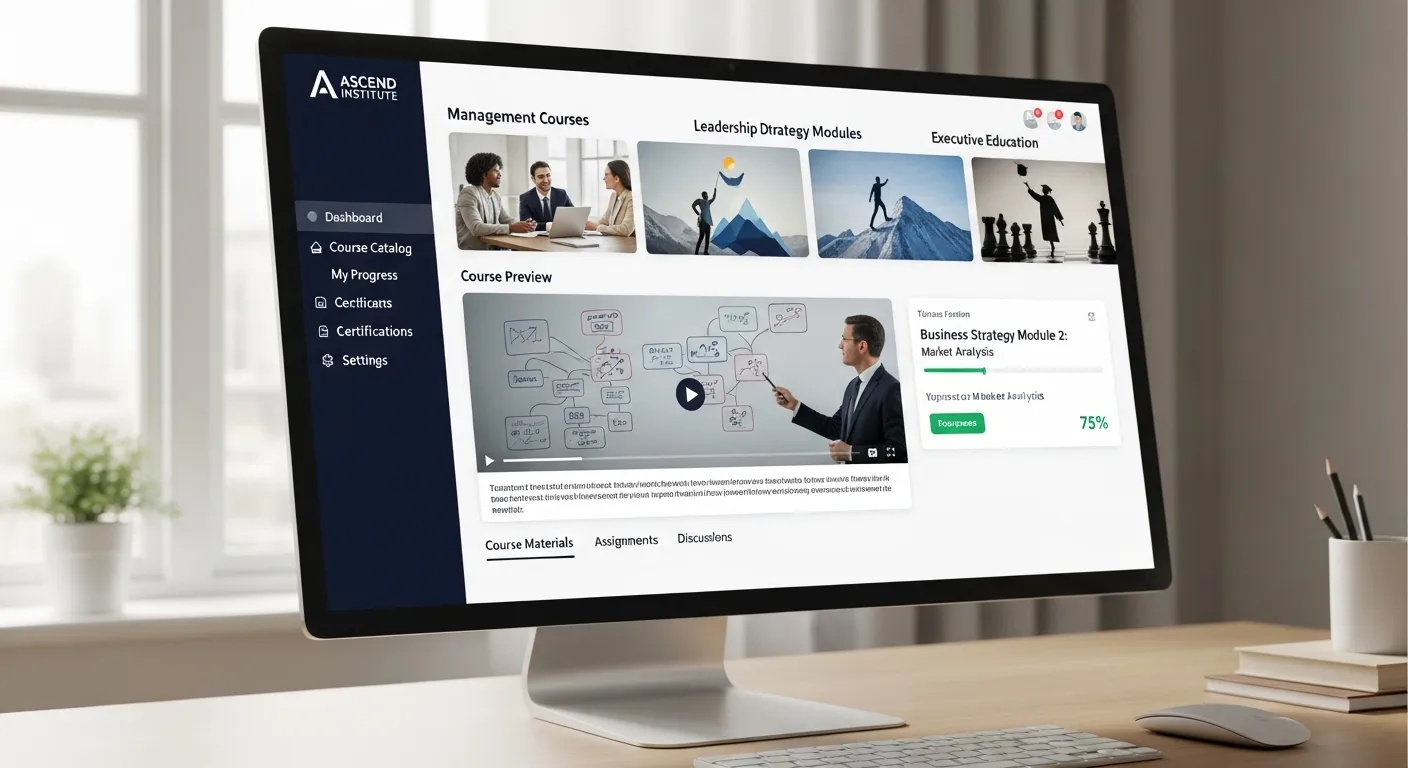
In today's dynamic professional landscape, the ability to effectively manage projects is no longer a niche skill but a fundamental requirement for career advancement across various industries. Whether you're leading a team in tech, marketing, construction, or healthcare, mastering project management principles can significantly boost your efficiency, productivity, and success. Fortunately, the digital age offers abundant opportunities to acquire and hone these crucial skills through a plethora of top-tier online courses. This guide will navigate you through the benefits of online learning for project management and highlight how to identify the best programs to elevate your career.
Key Points:
- Career Advancement: Project management skills are highly sought after, opening doors to leadership roles.
- Efficiency & Productivity: Learn methodologies to streamline workflows and achieve goals faster.
- Flexibility of Online Learning: Study at your own pace, fitting education around your current commitments.
- Diverse Course Offerings: Access specialized training in Agile, Waterfall, PMP, and more.
- Skill Validation: Many courses offer certifications, providing tangible proof of your expertise.
Why Invest in Online Project Management Courses?
The demand for skilled project managers continues to surge. A report by the Project Management Institute (PMI) predicted a significant global need for project management professionals in the coming years, driven by economic growth and an increasing number of complex projects. Online courses provide a convenient and accessible pathway to meet this demand and equip yourself with the tools and knowledge to excel.
The Evolving Landscape of Project Management
Project management has evolved beyond traditional linear approaches. Modern project management embraces Agile methodologies, iterative development, and continuous improvement, especially prevalent in tech and software development. Understanding these nuances is critical for staying relevant. Online courses are adept at reflecting these shifts, offering the most current and relevant curriculum.
Benefits of Online Learning for Project Management Mastery
- Flexibility and Convenience: Learn from anywhere, at any time, fitting studies around work and personal life. This is a significant advantage compared to traditional classroom settings, making it easier to master project management skills without disrupting your current career.
- Cost-Effectiveness: Online courses often present a more affordable option than in-person programs, offering excellent value for money.
- Wide Range of Specializations: From foundational principles to advanced techniques like Lean Six Sigma or Agile certifications, you can find courses tailored to your specific career aspirations.
- Global Perspectives: Learn from instructors and engage with peers from around the world, gaining diverse insights into project management practices.
- Up-to-Date Content: Online platforms can update their course material more rapidly than traditional institutions, ensuring you learn the latest tools and methodologies.
Key Project Management Skills You'll Develop
A robust online project management course will cover a spectrum of essential skills, preparing you for the multifaceted challenges of leading projects to successful completion.
Core Competencies in Project Management
- Planning and Scope Definition: Learning to accurately define project objectives, deliverables, and boundaries. This includes understanding how to create work breakdown structures (WBS) that are critical for detailed planning.
- Scheduling and Time Management: Mastering techniques like Gantt charts and critical path analysis to develop realistic timelines and monitor progress effectively.
- Budgeting and Cost Control: Developing skills in estimating costs, securing funding, and managing budgets to prevent overruns.
- Risk Management: Identifying potential risks, assessing their impact, and developing mitigation strategies to safeguard project success.
- Stakeholder Management: Understanding how to identify, engage, and communicate with all parties involved in a project to ensure alignment and buy-in.
- Team Leadership and Communication: Cultivating the ability to motivate teams, delegate tasks, and foster open, clear communication channels.
Methodologies and Frameworks
- Agile Project Management: This iterative approach, popular in software development, focuses on flexibility, customer collaboration, and rapid delivery. Courses often cover frameworks like Scrum and Kanban.
- Waterfall Methodology: A traditional, linear approach where each phase must be completed before the next begins. Understanding when this method is most applicable is crucial.
- Hybrid Approaches: Learning to combine elements of Agile and Waterfall to suit specific project needs.
- Scrum: A framework within Agile, emphasizing short development cycles called sprints, daily stand-ups, and regular reviews.
- Kanban: A visual system for managing workflow, often used to optimize the flow of work in progress.
Choosing the Right Online Project Management Course
With so many options available, selecting the right online course can feel overwhelming. Consider these factors to make an informed decision and master project management skills effectively.
Factors to Consider When Selecting a Course
- Course Content and Curriculum: Does it cover the specific skills and methodologies you need? Look for courses that offer a comprehensive overview or deep dives into areas like PMP certification preparation or Agile leadership.
- Instructor Expertise: Research the instructors. Do they have relevant industry experience and recognized credentials? This is a key indicator of E-E-A-T (Experience, Expertise, Authoritativeness, Trustworthiness) in online education.
- Accreditation and Certification: Does the course offer a recognized certification, such as PMP, CAPM, or Agile certifications (CSM, PSM)? These credentials can significantly enhance your resume. For instance, a PMP certification, widely recognized by employers, requires formal training and experience, often acquired through online courses.
- Learning Platform and Delivery: Consider the user experience of the platform. Is it easy to navigate? Are there engaging learning materials like videos, quizzes, and interactive exercises?
- Reviews and Testimonials: Read reviews from past students. What do they say about the course quality, instructor support, and overall learning experience?
- Cost and Value: Compare prices, but also consider the value offered in terms of content, certification, and career support.
- Prerequisites: Ensure you meet any stated prerequisites for the course.
Top Platforms for Online Project Management Education
Several leading online learning platforms offer high-quality project management courses, catering to different learning styles and career levels.
- Coursera: Partners with top universities and institutions worldwide, offering Specializations and Professional Certificates in project management, including those aligned with PMI standards.
- edX: Similar to Coursera, edX provides university-level courses and MicroMasters programs, often featuring comprehensive project management curricula.
- Udemy: Offers a vast library of courses at various price points, with many practical, skill-focused project management courses taught by industry professionals. You can find niche courses here, such as "Project Management for Beginners" or "Advanced Risk Management Techniques."
- LinkedIn Learning: Provides on-demand video courses focused on business, technology, and creative skills, including many excellent project management courses often delivered by seasoned practitioners.
- Simplilearn: Known for its extensive portfolio of certification preparation courses, including PMP, PRINCE2, and various Agile certifications, with a strong emphasis on practical application.
Preparing for Project Management Certifications
For many aspiring project managers, obtaining a certification is a crucial step. The Project Management Professional (PMP) certification from the PMI is one of the most respected globally. Online courses are an invaluable resource for this preparation.
PMP Certification Requirements and Online Learning
To be eligible for the PMP exam, candidates typically need:
- A four-year degree
- 36 months leading projects within the last eight years
- 35 hours of project management education (or CAPM certification)
OR
- A secondary degree (high school diploma or associate’s degree)
- 60 months leading projects within the last eight years
- 35 hours of project management education
Online courses can fulfill the 35-hour education requirement, providing structured learning that covers the PMBOK® Guide (Project Management Body of Knowledge) and exam best practices. Many courses are designed by PMI Authorized Training Partners (ATPs), ensuring alignment with exam content.
Agile Certifications and Their Importance
In addition to PMP, Agile certifications are highly valued.
- Certified ScrumMaster (CSM): Offered by the Scrum Alliance, this certification validates your understanding of Scrum principles and your ability to facilitate Scrum events.
- Professional Scrum Master (PSM): Developed by Scrum.org, this is another respected certification for Scrum Masters, often considered more rigorous by some in the industry.
These courses delve into the specifics of Agile frameworks, providing practical knowledge for teams adopting or working within Agile environments. Industry data from 2024 consistently shows a higher demand for professionals with Agile certifications, underscoring their relevance.
Differentiated Value: Beyond the Basics
While many courses cover foundational project management principles, the truly exceptional ones offer unique insights and address emerging trends.
1. AI Integration in Project Management
A critical latest industry trend is the increasing integration of Artificial Intelligence (AI) and Machine Learning (ML) into project management tools and processes. Top-tier courses now incorporate modules on how AI can assist in:
- Predictive Analytics: Forecasting project timelines, budgets, and potential risks with greater accuracy. For instance, platforms like Asana and Monday.com are increasingly incorporating AI features for task automation and risk identification.
- Automated Reporting: Generating progress reports and identifying bottlenecks automatically.
- Resource Optimization: AI can help allocate resources more efficiently based on project needs and team capabilities.
Learning about these tools and their applications will give you a significant edge. A recent survey in late 2024 indicated that over 60% of organizations are exploring or implementing AI in their project management practices.
2. Advanced Risk Mitigation Strategies and Resilience
While risk management is standard, advanced courses go deeper into building project resilience and proactive risk mitigation. This includes:
- Scenario Planning and War Gaming: Simulating extreme scenarios to test project plans and team responses.
- Psychological Safety in Teams: Understanding how a psychologically safe environment encourages team members to report risks early without fear of reprisal, a concept emphasized by thought leaders like Amy Edmondson.
- Leveraging Data Analytics for Risk Identification: Moving beyond intuition to using data mining and statistical analysis to uncover subtle risk patterns. This is an area where data science skills intersect powerfully with project management.
These advanced topics prepare you not just to manage projects, but to lead them with foresight and robustness, ensuring success even in uncertain environments.
Frequently Asked Questions (FAQ)
Q1: How long does it take to master project management skills online? Mastering project management is an ongoing journey. Foundational skills can be acquired through comprehensive online courses typically ranging from a few weeks to a few months. Continuous learning and practical application are key to true mastery.
Q2: Are online project management courses valuable for career advancement? Absolutely. Online courses provide foundational knowledge, specialized skills, and often certifications that are highly valued by employers, significantly boosting your career prospects and earning potential.
Q3: What is the difference between PMP and Agile certifications? PMP certification focuses on a broad range of project management methodologies, including predictive (Waterfall) and adaptive (Agile) approaches. Agile certifications, like CSM or PSM, are specifically focused on the principles and practices of Agile frameworks like Scrum.
Q4: Can I get a job in project management with just an online certificate? An online certificate is a strong starting point, especially when paired with practical experience. Many employers recognize reputable online certifications, and they can help you secure entry-level positions or transition into project management roles.
Conclusion and Next Steps
Investing in your project management education through top online courses is a strategic move for anyone looking to enhance their career trajectory. By developing a strong foundation in core principles, exploring modern methodologies like Agile, and staying abreast of emerging trends like AI integration, you position yourself as an invaluable asset in any organization. The flexibility and accessibility of online learning make it an ideal solution for busy professionals.
Your next steps could include:
- Assess your current skills and career goals to determine which project management areas to focus on.
- Research specific courses and platforms based on the criteria discussed above, looking for programs with strong instructor credentials and relevant certifications.
- Enroll in a foundational course or a certification preparation program to begin your journey.
- Actively apply what you learn in your current role, seeking opportunities to manage or contribute to projects.
We encourage you to share your experiences with online project management courses in the comments below. What has been your most valuable learning? What courses do you recommend? Don't forget to subscribe for more insights into advancing your career with in-demand skills.
For further exploration into related fields that complement project management, consider diving into articles on data analytics for business insights or the fundamentals of team leadership.