Find Top-Rated Online Courses for Professional Skill Development
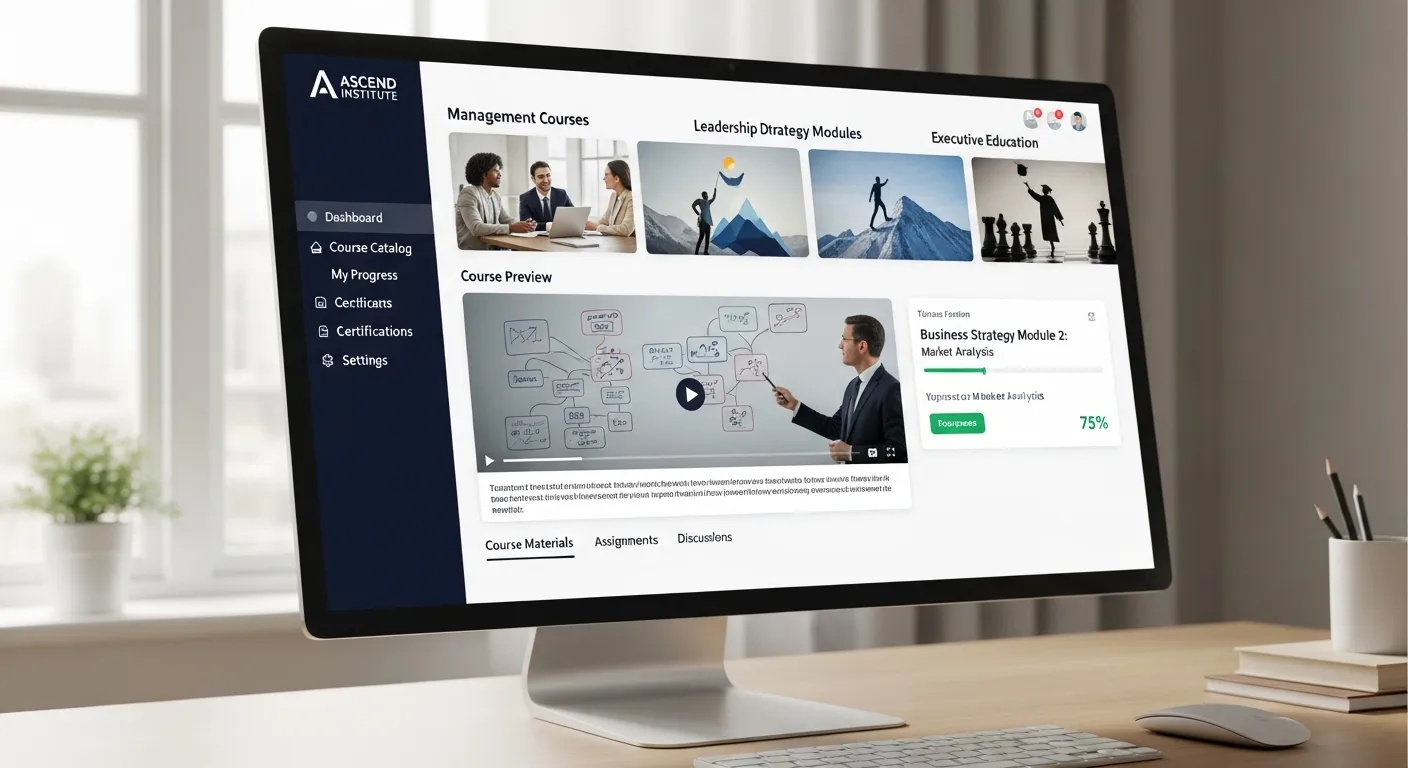
Find Top-Rated Online Courses for Professional Skill Development
In today's rapidly evolving professional landscape, continuous learning isn't just an advantage; it's a necessity. Acquiring new skills and refining existing ones is paramount for career advancement and staying competitive. Fortunately, a wealth of online courses are available to empower individuals in their pursuit of professional development. This guide will help you navigate the vast digital learning space to find top-rated online courses for professional skill development that align with your career goals and learning style.
Investing in your skills is one of the most impactful decisions you can make for your future. Whether you aim to climb the corporate ladder, pivot to a new industry, or simply become more effective in your current role, targeted training can provide the knowledge and practical application needed to succeed.
Key Points:
- Identify Career Goals: Clearly define what skills you need to develop.
- Research Reputable Platforms: Explore well-known online learning providers.
- Evaluate Course Content: Ensure curriculum matches your objectives and learning style.
- Check Instructor Credentials: Look for experts with real-world experience.
- Read Reviews & Testimonials: Gauge student satisfaction and course effectiveness.
Why Invest in Online Courses for Professional Skill Development?
The modern workplace demands adaptability and a commitment to lifelong learning. The pace of technological change, shifting market demands, and evolving business strategies mean that skills can become obsolete quickly. Online courses offer a flexible and accessible solution to bridge these knowledge gaps. They allow professionals to upskill or reskill without disrupting their work schedules, offering a convenient way to adapt and thrive.
The benefits are tangible: enhanced job performance, increased earning potential, greater career mobility, and improved confidence. By proactively seeking out opportunities to learn, you position yourself as a valuable asset to any organization.
The Evolving Demands of the Professional World
Industries are constantly being disrupted by new technologies and innovative business models. For instance, the rise of artificial intelligence and automation is transforming how many tasks are performed, necessitating new skills in areas like data analysis, AI ethics, and digital transformation management. A report by the World Economic Forum in 2023 highlighted that a significant portion of the global workforce will require reskilling in the coming years, emphasizing the critical need for continuous learning.
Accessibility and Flexibility of Online Learning
One of the most significant advantages of online courses is their inherent flexibility. Professionals can learn at their own pace, on their own schedule, from virtually anywhere. This is particularly crucial for individuals balancing demanding careers, family responsibilities, or geographical limitations. Platforms offer various learning formats, including on-demand video lectures, live webinars, interactive exercises, and peer-to-peer learning, catering to diverse preferences.
How to Find Top-Rated Online Courses for Professional Skill Development
Identifying the right online course requires a strategic approach. It's not just about finding a subject; it's about finding a high-quality learning experience that delivers tangible results. Here's a breakdown of how to effectively search and select the best programs.
1. Define Your Learning Objectives and Career Goals
Before diving into course catalogs, take time to reflect on what you want to achieve.
- What specific skills do you need to acquire or improve? Be precise. Instead of "improve leadership," consider "develop effective team management skills for remote teams" or "master conflict resolution techniques."
- How will this skill advance your career? Will it help you secure a promotion, switch industries, or increase your salary?
- What is your current skill level in this area? Are you a beginner, intermediate, or advanced learner?
This clarity will significantly narrow your search and help you filter out irrelevant courses. For example, if your goal is to understand financial modeling, you'll look for courses specifically on that topic rather than general business strategy.
2. Research Reputable Online Learning Platforms
Several platforms have established themselves as leaders in online education, offering a wide range of high-quality courses. It's wise to start your search with these established providers:
- Coursera: Known for its partnerships with top universities and companies, offering degrees, specializations, and professional certificates.
- edX: Similar to Coursera, founded by Harvard and MIT, featuring courses from prestigious institutions worldwide.
- Udemy: A vast marketplace with millions of courses on nearly any topic imaginable, often at accessible price points.
- LinkedIn Learning (formerly Lynda.com): Focuses on business, technology, and creative skills, often integrated with professional networking profiles.
- Skillshare: Emphasizes creative and practical skills, with a project-based learning approach.
- MasterClass: Offers courses taught by world-renowned experts in their respective fields, providing inspirational insights.
Each platform has its strengths, so exploring a few can help you find the best fit for your needs.
3. Evaluate Course Content and Curriculum
Once you've identified potential courses, scrutinize their content.
- Syllabus Review: Does the syllabus cover the topics you need in sufficient depth?
- Learning Outcomes: Are the promised learning outcomes clear and measurable?
- Course Structure: Is the course broken down into manageable modules? Does it include practical exercises, case studies, or projects?
- Assessment Methods: How will your learning be evaluated? Quizzes, assignments, capstone projects?
A well-structured curriculum with practical application is key to effective skill development. For instance, a course on digital marketing should include modules on SEO, content creation, social media strategy, and analytics, with opportunities to practice these skills.
4. Examine Instructor Expertise and Credentials
The instructor's background is a critical factor in the quality of the learning experience.
- Professional Experience: Does the instructor have proven, real-world experience in the subject matter?
- Academic Background: Do they hold relevant degrees or certifications?
- Teaching Ability: Look for instructors who are not only experts but also effective communicators. Video previews or sample lessons can offer insight into their teaching style.
For example, a course on project management should ideally be taught by a certified Project Management Professional (PMP) with a track record of managing successful projects.
5. Read Reviews, Ratings, and Testimonials
Student feedback is invaluable.
- Overall Ratings: Look for courses with consistently high ratings (e.g., 4.5 stars and above).
- Detailed Reviews: Read what past students have to say. Do they mention the course's practical value, the instructor's effectiveness, or any drawbacks?
- Completion Rates: Platforms sometimes display course completion rates, which can indicate engagement and perceived value.
Pay attention to reviews that are specific and detailed. A common theme of positive feedback regarding practical application is a strong indicator of a valuable course.
Key Areas for Professional Skill Development
While specific needs vary, certain skill categories consistently rank high in demand across industries. Focusing on these can offer broad career benefits.
1. Leadership and Management Skills
Effective leadership is crucial for guiding teams and driving organizational success. Online courses can help develop skills in:
- Team Building and Motivation: Learning strategies to foster collaboration and high performance.
- Strategic Planning: Developing the ability to set vision, goals, and roadmaps.
- Communication and Interpersonal Skills: Mastering how to convey ideas clearly and build rapport.
- Decision-Making and Problem-Solving: Enhancing analytical and critical thinking capabilities.
- Change Management: Guiding teams through organizational transitions.
Consider courses that offer case studies of successful leaders and practical exercises in developing management plans.
2. Digital Literacy and Technology Skills
In the digital age, proficiency with technology is non-negotiable. This encompasses a wide range of skills:
- Data Analysis and Visualization: Understanding how to interpret data and present it effectively using tools like Excel, Python, or Tableau. A 2024 LinkedIn report indicated a significant surge in demand for data literacy across all roles.
- Project Management Software: Proficiency in tools like Asana, Trello, or Jira for efficient project execution.
- Cloud Computing Fundamentals: Understanding services from providers like AWS, Azure, or Google Cloud.
- Cybersecurity Awareness: Protecting sensitive information in an increasingly digital environment.
- Artificial Intelligence (AI) and Machine Learning Basics: Grasping the concepts and applications of AI.
Courses focusing on practical application with industry-standard software are particularly valuable.
3. Communication and Soft Skills
Often underestimated, soft skills are vital for professional success. They are the interpersonal attributes that enable effective interaction with others.
- Presentation Skills: Delivering compelling presentations with confidence.
- Negotiation Techniques: Achieving favorable outcomes in discussions and agreements.
- Emotional Intelligence (EQ): Understanding and managing one's own emotions and those of others.
- Time Management and Productivity: Optimizing personal efficiency and workflow.
- Customer Service Excellence: Building and maintaining strong client relationships.
Look for courses that incorporate role-playing scenarios or feedback mechanisms to hone these skills.
4. Business and Financial Acumen
A solid understanding of business principles and financial management is essential for professionals at all levels.
- Financial Accounting and Reporting: Understanding financial statements and their implications.
- Marketing Fundamentals: Learning principles of market research, branding, and promotion.
- Business Strategy Development: Formulating effective plans for growth and sustainability.
- Entrepreneurship and Innovation: Understanding how to develop new ideas and bring them to market.
Courses that use real-world business scenarios and financial models can provide deep insights.
Differentiated Value: Beyond the Basics
While many courses cover foundational knowledge, truly valuable programs offer unique perspectives and cutting-edge information.
Focus on Future-Ready Skills
The most impactful online courses for professional skill development are those that anticipate future industry needs. Look for programs that emphasize skills in areas like:
- Sustainable Business Practices: With increasing global focus on environmental, social, and governance (ESG) factors, understanding sustainability is becoming a core business competency. A 2025 PwC report projected that expertise in sustainable development will be in high demand across sectors.
- AI Ethics and Governance: As AI becomes more integrated, understanding its ethical implications and developing frameworks for responsible use is crucial.
- Resilience and Adaptability: Training in navigating uncertainty, fostering innovation under pressure, and building organizational agility.
These forward-looking courses provide a competitive edge by equipping professionals with skills relevant to the challenges of tomorrow.
Practical Application and Experiential Learning
The best online learning experiences go beyond theoretical knowledge. Seek out courses that offer:
- Hands-on Projects: Opportunities to apply learned concepts to real-world problems.
- Simulations and Virtual Labs: Immersive environments for practicing complex skills.
- Industry Case Studies: Deep dives into how businesses have successfully (or unsuccessfully) implemented strategies.
- Mentorship or Peer Feedback: Guidance from experienced professionals or constructive input from fellow learners.
For example, a digital marketing course that requires students to develop and present a comprehensive marketing plan for a hypothetical business offers far more value than one that only lectures on theory.
Expert Opinions and Data-Driven Insights
To further enhance your learning journey, consider insights from industry leaders and recent research. For instance, according to a 2023 report by Deloitte on the Future of Work, continuous learning and the ability to adapt to technological advancements are paramount for individual career longevity and organizational competitiveness. This underscores the importance of investing in high-quality online professional development. Furthermore, a 2024 study published in the Journal of Business Education found a direct correlation between employees who regularly engage in online upskilling and their promotion rates, highlighting the tangible career benefits.
Frequently Asked Questions (FAQ)
Q1: How can I be sure an online course is worth the investment? A1: Look for courses with high ratings, positive reviews that mention practical application, clear learning outcomes, and instructors with strong industry credentials. Platforms like Coursera and edX, partnering with universities, often offer a high degree of credibility.
Q2: What is the difference between a certificate and a degree from an online course? A2: Certificates typically focus on specific skills or a narrow subject area, often completed in a shorter timeframe. Degrees are more comprehensive academic qualifications earned over a longer period, requiring a broader curriculum and rigorous assessment.
Q3: How long should an online professional development course be? A3: The ideal duration varies greatly depending on the topic and depth. Short courses (a few hours) are great for targeted skills, while specializations or in-depth subjects might range from several weeks to a few months. Focus on the learning outcomes rather than just the time commitment.
Q4: Can I list online courses on my resume? A4: Absolutely. Listing relevant online courses, certifications, and specializations on your resume demonstrates your commitment to continuous learning and highlights specific skills you possess, making you a more attractive candidate.
Conclusion and Next Steps
Finding and completing top-rated online courses for professional skill development is a strategic investment in your career. By clearly defining your goals, diligently researching platforms and courses, and focusing on programs that offer practical, future-ready skills, you can significantly enhance your professional capabilities. Remember to prioritize courses taught by experienced professionals and validated by the feedback of other learners.
What are your career goals for the next year? Share in the comments below which professional skills you're looking to develop!
To further your learning journey, consider exploring related articles on effective career planning and strategies for mastering new technologies.
Expand your knowledge further:
- Exploring advanced project management methodologies online.
- Developing a personal brand through digital marketing.
- Understanding the impact of AI on your industry.
Your commitment to learning is your greatest asset in today's dynamic professional world. Embrace the opportunity to grow and excel.