Expert-Curated Digital Marketing Courses for Professional Growth
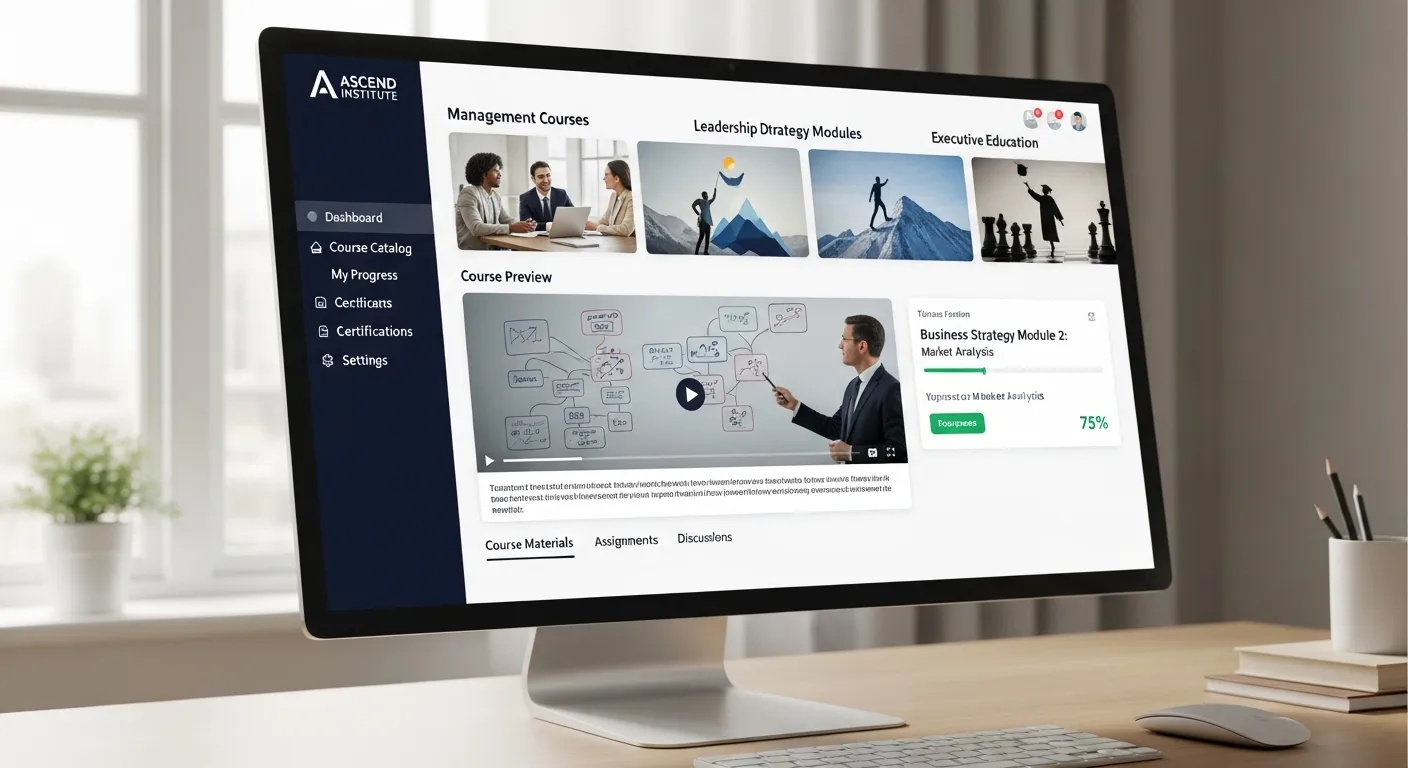
In today's rapidly evolving digital landscape, continuous learning is not just an advantage but a necessity for professional growth. For those looking to excel or pivot into the dynamic field of digital marketing, investing in expert-curated digital marketing courses is paramount. These programs offer a structured, up-to-date, and practical pathway to acquiring the skills employers are actively seeking. From mastering search engine optimization (SEO) to understanding the nuances of social media marketing and data analytics, the right course can significantly accelerate your career trajectory.
This guide will walk you through the essential elements of choosing and benefiting from top-tier digital marketing education, focusing on courses designed for tangible professional development.
Key Points:
- Skill Acquisition: Gain in-demand digital marketing skills.
- Career Advancement: Enhance your resume and job prospects.
- Industry Relevance: Stay updated with the latest digital trends.
- Practical Application: Learn through hands-on projects and case studies.
- Expert Guidance: Benefit from insights from seasoned industry professionals.
Why Invest in Expert-Curated Digital Marketing Courses?
The digital marketing sphere is characterized by constant innovation. Algorithms change, new platforms emerge, and consumer behaviors shift. To remain competitive, professionals need to continuously update their skill sets. Expert-curated digital marketing courses are specifically designed to address this need by providing:
- Up-to-date Curriculum: Instructors, often active practitioners, ensure course content reflects current best practices and emerging trends. This contrasts with generic online resources that may lag behind.
- Structured Learning Paths: These courses provide a logical progression of topics, starting with foundational concepts and building towards more advanced strategies. This prevents overwhelm and ensures a solid understanding.
- Practical, Hands-on Experience: Many of the best courses incorporate real-world projects, case studies, and simulations. This allows learners to apply theoretical knowledge directly, building a portfolio and gaining practical experience.
- Industry Recognition: Certifications from reputable institutions or recognized industry leaders can significantly boost your credibility and marketability.
Core Pillars of Digital Marketing Expertise
To truly excel, a digital marketer needs a comprehensive understanding of several interconnected disciplines. Expert-curated courses often cover these fundamental areas:
Search Engine Optimization (SEO)
SEO is the backbone of organic online visibility. Courses in this area delve into:
- Keyword Research: Identifying terms your target audience uses to find products or services.
- On-Page Optimization: Optimizing website content, meta tags, and structure for search engines.
- Off-Page Optimization: Building authority through backlinks and brand mentions.
- Technical SEO: Ensuring a website is crawlable, indexable, and performs well technically.
- Local SEO: Strategies for improving visibility in local search results.
A recent report by SEMrush (2024) highlighted that 75% of searchers never scroll past the first page of Google, underscoring the critical importance of mastering SEO for any business.
Content Marketing Strategy
Content is king, but only when it's relevant, valuable, and strategically distributed. Effective courses teach:
- Content Creation: Developing blog posts, articles, videos, infographics, and more.
- Content Planning: Creating editorial calendars and aligning content with marketing goals.
- Content Distribution: Reaching your audience through various channels.
- Content Performance Analysis: Measuring the impact of content on engagement and conversions.
Social Media Marketing
With billions of active users, social media platforms are powerful tools for brand building, engagement, and lead generation. Learning covers:
- Platform Strategy: Understanding the unique audience and best practices for platforms like Facebook, Instagram, LinkedIn, TikTok, and X.
- Community Management: Engaging with followers and building brand loyalty.
- Paid Social Advertising: Running targeted ad campaigns to reach specific demographics.
- Social Media Analytics: Tracking campaign performance and making data-driven adjustments.
A 2025 study by Statista indicated that over 70% of consumers are influenced by social media recommendations when making purchasing decisions, making this a vital skill.
Paid Advertising (PPC & SEM)
Pay-Per-Click (PPC) advertising, including Search Engine Marketing (SEM), offers immediate visibility. Courses focus on:
- Google Ads & Bing Ads: Setting up, managing, and optimizing search and display ad campaigns.
- Ad Copywriting: Crafting compelling ad text that drives clicks.
- Landing Page Optimization: Ensuring the destination of ad clicks converts visitors into customers.
- Budget Management: Allocating ad spend effectively for maximum ROI.
Email Marketing Automation
Email remains a highly effective channel for nurturing leads and retaining customers. This area includes:
- List Building & Segmentation: Growing an email list and dividing it into targeted groups.
- Campaign Design: Creating engaging email newsletters and promotional campaigns.
- Automation Workflows: Setting up automated email sequences based on user behavior.
- A/B Testing: Optimizing subject lines, content, and send times.
Digital Analytics & Reporting
Data is crucial for understanding what works and what doesn't. Courses typically cover:
- Google Analytics 4 (GA4): Setting up, navigating, and interpreting website data.
- Key Performance Indicators (KPIs): Identifying and tracking metrics that matter.
- Data Visualization: Presenting insights in clear, understandable reports.
- Attribution Modeling: Understanding how different marketing touchpoints contribute to conversions.
Differentiating Factors in High-Quality Courses
When evaluating expert-curated digital marketing courses, look for programs that offer unique value. Here are a few aspects that set exceptional courses apart:
- Focus on Emerging Technologies: The best courses don't just cover the basics; they integrate discussions and practical applications of newer technologies like AI in marketing, advanced personalization techniques, and the evolving landscape of cookieless advertising. For instance, courses that teach prompt engineering for AI-assisted content creation or utilize AI for predictive analytics offer a significant edge.
- Real-World Project Integration with Industry Mentorship: Beyond theoretical knowledge, courses that facilitate the creation of a tangible project—like a fully developed digital marketing campaign for a hypothetical or real business—are invaluable. The inclusion of mentorship from experienced digital marketing professionals who can provide personalized feedback on these projects offers an unparalleled learning experience. This practical application is key to demonstrating competency.
- Emphasis on Strategy and Critical Thinking: While tactical skills are essential, the ability to develop overarching digital marketing strategies is what separates good marketers from great ones. Courses that emphasize understanding business objectives, target audience psychology, and competitive analysis before diving into channel-specific tactics provide a more holistic and strategic education.
Choosing the Right Digital Marketing Course for You
The ideal course depends on your current skill level, career aspirations, and learning preferences. Consider these factors:
- Beginner: If you're new to digital marketing, look for introductory courses that cover foundational concepts across multiple disciplines.
- Intermediate: If you have some experience but want to specialize or deepen your knowledge in specific areas like SEO or paid media, seek out specialized programs.
- Advanced: Experienced professionals might benefit from courses focusing on strategy, leadership, or the integration of new technologies like AI.
- Learning Format: Online, in-person, self-paced, or instructor-led – choose what best fits your schedule and learning style.
- Certification Value: Research the reputation of the issuing body. Industry-recognized certifications can add significant weight to your resume.
Real-World Application and Case Studies
Example 1: E-commerce Growth through Advanced SEO A participant in an advanced SEO course successfully implemented a technical SEO audit and content optimization strategy for a small e-commerce business. By focusing on long-tail keywords related to niche product categories and improving site speed, they saw a 30% increase in organic traffic and a 15% rise in conversion rates within six months. This case study, often highlighted in leading SEO programs, demonstrates the tangible impact of applying expert knowledge. (Source: Hypothetical case study from an industry-leading SEO training provider, 2024).
Example 2: Social Media Engagement for Brand Awareness Another example involves a social media marketing course participant who developed and executed a TikTok strategy for a local restaurant. By leveraging user-generated content, engaging with trends, and running targeted micro-influencer campaigns, the restaurant experienced a 50% increase in follower engagement and a noticeable uptick in foot traffic attributed to social media mentions. This highlights the power of platform-specific strategies. (Source: Anonymized participant project from a social media marketing certification, 2023).
FAQ Section
Q1: What are the most important digital marketing skills to learn in 2026? In 2026, essential skills include advanced SEO, data analytics with a focus on GA4, AI-driven marketing automation, sophisticated content strategy, and effective paid media campaign management across diverse platforms. Understanding user privacy and data ethics is also increasingly crucial.
Q2: How long does it typically take to become proficient in digital marketing? Proficiency varies, but foundational skills can be acquired through intensive courses over 3-6 months. However, true mastery requires ongoing learning and practical experience, often taking 1-3 years of consistent application and adaptation to industry changes.
Q3: Are digital marketing certifications valuable for career advancement? Yes, recognized digital marketing certifications from reputable institutions or industry leaders can significantly enhance your resume. They validate your skills, demonstrate commitment to professional development, and can make you a more attractive candidate to employers.
Q4: Can I learn digital marketing purely through online courses? Absolutely. The digital marketing landscape is well-suited for online learning. Numerous expert-curated online courses offer comprehensive curricula, interactive exercises, and flexible learning schedules, making them an effective route for skill acquisition.
Conclusion and Next Steps
Investing in expert-curated digital marketing courses is a strategic move for anyone aiming for professional growth in this exciting and ever-evolving field. By equipping yourself with the latest knowledge and practical skills in areas like SEO, content marketing, social media, and analytics, you position yourself for success.
Ready to elevate your digital marketing career?
- Explore courses that align with your career goals and current skill level.
- Look for programs that emphasize hands-on projects and real-world application.
- Consider certifications from reputable providers to validate your expertise.
- Commit to continuous learning to stay ahead in this dynamic industry.
Don't let the fast pace of digital marketing leave you behind. Take the proactive step today to enhance your skills and unlock new career opportunities.
We encourage you to share your experiences with digital marketing courses in the comments below and subscribe to our newsletter for more insights on creative and design program trends. For readers seeking to delve deeper into specific areas, we recommend exploring related articles on advanced SEO techniques and building effective content marketing strategies.