Boost Your Professional Development with Top Online Learning Platforms
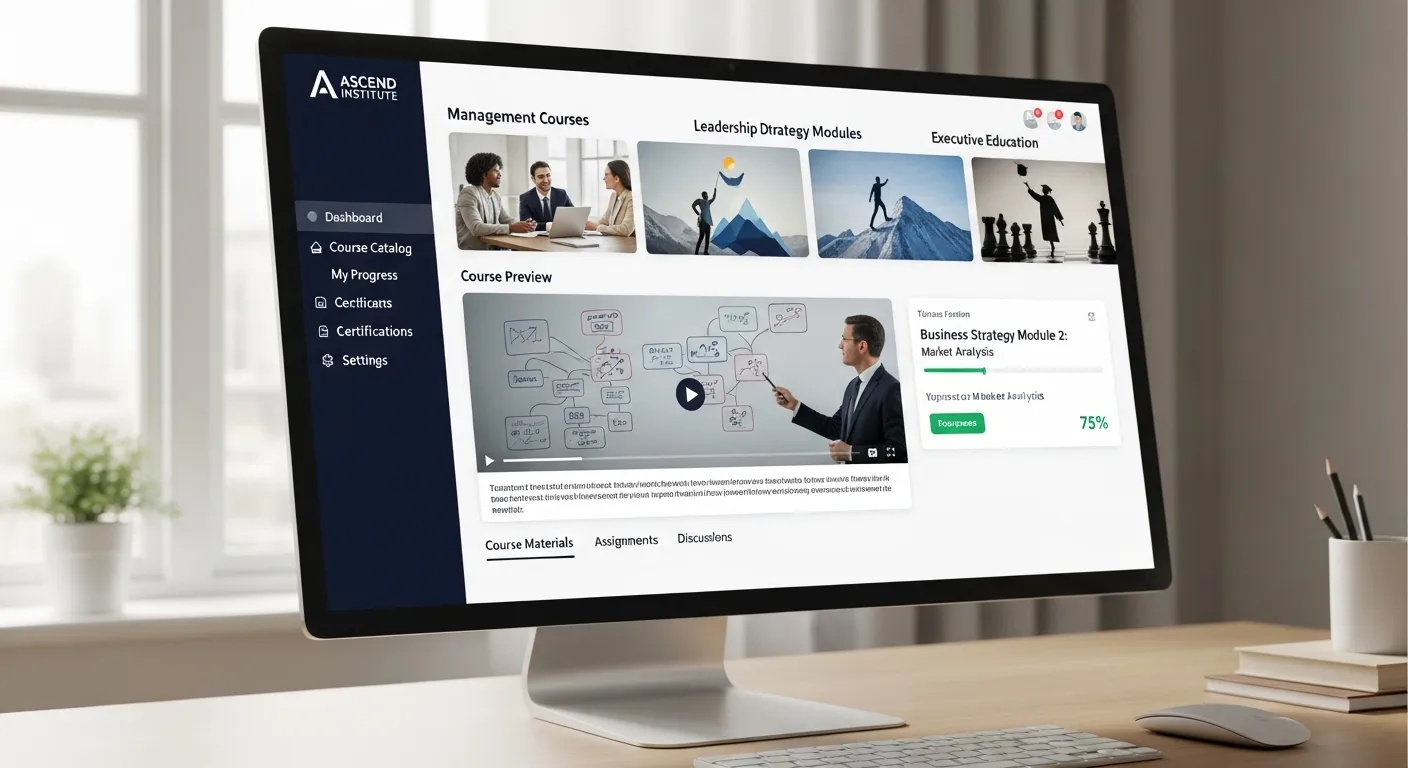
In today's rapidly evolving professional landscape, continuous learning is no longer a luxury but a necessity. Boosting your professional development requires a strategic approach to skill acquisition, and thankfully, a plethora of top online learning platforms are readily available. These platforms offer unparalleled flexibility and access to a vast array of courses, empowering individuals to upskill, reskill, and stay competitive in their respective fields. Whether you're aiming to master a new software, refine your leadership abilities, or delve into emerging technologies, the right online course can be a transformative tool for career advancement.
Key Points:
- Accessibility: Learn anytime, anywhere, at your own pace.
- Variety: Access a diverse catalog of courses across numerous disciplines.
- Affordability: Many platforms offer cost-effective learning solutions.
- Career Advancement: Acquire in-demand skills to boost your employability and earning potential.
- Personalized Learning: Tailor your educational journey to specific career goals.
Harnessing Online Learning Platforms for Career Growth
The digital age has democratized education, making it more accessible than ever before. Top online learning platforms serve as virtual universities, providing structured curricula, expert instruction, and often, credentials that are recognized by employers. This shift is particularly impactful for professionals seeking to update their skill sets without disrupting their current work commitments. The ability to learn new concepts, understand industry trends, and develop practical skills from the comfort of your home or office is a significant advantage.
The demand for continuous learning is underscored by the rapid pace of technological change and shifting market needs. A report by the World Economic Forum in 2024 highlighted that a significant percentage of the global workforce will require reskilling within the next five years to adapt to automation and AI. Online learning platforms are at the forefront of addressing this challenge, offering accessible and scalable solutions for individuals and organizations alike.
Understanding the Landscape of Online Learning Platforms
Navigating the vast ocean of online learning platforms can seem daunting, but understanding their core offerings and strengths can simplify the selection process. These platforms generally fall into a few categories: massive open online course (MOOC) providers, specialized skill-building platforms, and university-affiliated online programs. Each caters to different learning styles and objectives.
MOOCs: Broad Access to Diverse Knowledge
Platforms like Coursera, edX, and FutureLearn are pioneers in the MOOC space. They partner with renowned universities and institutions worldwide to offer a wide range of courses, from introductory subjects to advanced specializations. These platforms are excellent for gaining a foundational understanding of a new field or exploring interdisciplinary topics. Their strength lies in their breadth of subject matter and the academic rigor of their content, often taught by leading professors.
- Coursera: Known for its professional certificates and degrees from top universities.
- edX: Offers a vast catalog of courses from prestigious institutions, including a strong focus on STEM.
- FutureLearn: Features courses from universities and cultural institutions, with an emphasis on social sciences and humanities.
Specialized Skill-Building Platforms: Deep Dives into Practical Skills
For professionals looking to acquire specific, in-demand technical or creative skills, platforms like Udemy, Skillshare, and LinkedIn Learning are invaluable. These platforms host courses created by industry experts, often focusing on practical application and hands-on learning. They are ideal for acquiring skills in areas such as digital marketing, web development, graphic design, and project management. The practical, project-based approach is a key differentiator here.
- Udemy: A marketplace for a massive number of courses taught by independent instructors, offering great flexibility and a wide price range.
- Skillshare: Focuses on creative and entrepreneurial skills, with a project-based learning model and a subscription service.
- LinkedIn Learning: Integrates seamlessly with professional profiles, offering courses focused on business, technology, and creative skills.
University-Affiliated Online Programs: Credentialed Expertise
Beyond individual courses, many universities offer full online degrees and postgraduate programs. While these are typically more intensive and costly, they provide the highest level of academic credentialing. For those seeking a formal degree to advance their career or transition into a new field, exploring online offerings from established universities is a crucial step. This route often involves a deeper commitment but offers recognized academic qualifications.
Key Skills to Develop Through Online Learning
The modern workplace demands a blend of technical proficiency and strong interpersonal abilities. Online learning platforms are perfectly positioned to help professionals cultivate both.
Soft Skills Development Courses: The Cornerstones of Success
While technical skills can become obsolete, soft skills are enduring and increasingly crucial. Soft skills development courses are in high demand, focusing on areas that drive collaboration, communication, and leadership. These include:
- Communication Skills: Enhancing verbal, written, and presentation abilities.
- Leadership and Management: Developing strategies for motivating teams and driving projects.
- Problem-Solving and Critical Thinking: Learning frameworks for analyzing complex issues and devising effective solutions.
- Emotional Intelligence: Cultivating self-awareness, empathy, and relationship management.
- Time Management and Productivity: Optimizing workflows to maximize efficiency and achieve goals.
Many platforms now offer specialized tracks or certifications in these vital areas, recognizing their importance in career progression. For instance, a recent industry analysis from a leading HR publication in late 2024 indicated a significant rise in employer emphasis on candidates with strong communication and adaptability skills, often acquired through targeted training.
Technical Skills for the Future
The rapid advancement of technology necessitates continuous acquisition of new technical skills. Online platforms excel at delivering up-to-date training in areas such as:
- Data Science and Analytics: Understanding and interpreting data to inform business decisions.
- Artificial Intelligence and Machine Learning: Gaining knowledge in cutting-edge AI technologies.
- Cloud Computing: Mastering platforms like AWS, Azure, and Google Cloud.
- Cybersecurity: Protecting digital assets and understanding threat landscapes.
- Digital Marketing: Developing expertise in SEO, content marketing, and social media strategies.
Differentiated Value: Beyond Basic Coursework
What sets the best online learning experiences apart? It’s often the integration of practical application, community engagement, and career-focused support.
1. Project-Based Learning and Real-World Application
Many leading platforms now emphasize project-based learning. Instead of just theoretical knowledge, learners actively apply what they've learned to complete projects that mimic real-world scenarios. This approach, championed by platforms like Udacity and through many specializations on Coursera, allows for tangible proof of skill acquisition. Completing a portfolio of projects can significantly enhance a resume and impress potential employers.
A 2023 study on the efficacy of online learning noted that students engaged in project-based learning demonstrated higher retention rates and a greater ability to transfer knowledge to new contexts compared to those in purely lecture-based formats.
2. Emerging Trends and Industry-Specific Focus
Top platforms are agile, quickly incorporating new trends and technologies into their course offerings. For example, the rise of generative AI has led to an explosion of courses on platforms like LinkedIn Learning and Udemy covering prompt engineering, AI ethics, and creative applications of AI tools. Furthermore, some platforms are developing industry-specific learning paths, curated to address the unique skill gaps within particular sectors, such as healthcare tech or sustainable energy.
Maximizing Your Online Learning Experience
To truly boost your professional development, simply enrolling in courses isn't enough. An active and engaged approach yields the best results.
Setting Clear Goals and Expectations
Before diving in, define what you want to achieve. Are you looking to gain a specific certification, learn a new software tool, or pivot your career entirely? Having clear learning objectives will help you choose the right platform and courses, and stay motivated.
Active Engagement and Participation
Don't just passively watch videos. Engage with the material by taking notes, completing assignments, participating in discussion forums, and asking questions. Many courses offer opportunities for peer review and interaction with instructors, which are invaluable for deeper understanding.
Building a Network
Online platforms can be surprisingly social. Connect with fellow learners and instructors. Many platforms have forums or dedicated communities where you can share insights, seek advice, and even find potential collaborators. This networking aspect is often overlooked but can be a significant benefit.
Seeking Feedback and Applying Knowledge
Actively seek feedback on your work, whether from instructors or peers. More importantly, find opportunities to apply your new skills in your current role or through personal projects. Real-world application solidifies learning and demonstrates your growth.
Frequently Asked Questions About Online Learning Platforms
Q1: Which online learning platform is best for beginners looking to start a new career? For beginners, platforms like Coursera and edX offer a wide range of introductory courses from reputable universities, often leading to professional certificates that can help you explore new fields. LinkedIn Learning is also a great starting point for foundational business and tech skills.
Q2: How can I ensure the courses I choose will be relevant to my job market? Research in-demand skills in your desired industry. Look for courses that offer up-to-date content, industry-recognized certifications, and opportunities for practical application through projects. Checking employer requirements and industry trend reports can guide your selection.
Q3: Are online learning certificates valuable to employers? Yes, many employers recognize and value certificates from reputable online learning platforms, especially those from well-known universities or those offering specialized, in-demand skills. A portfolio of completed projects often complements these certificates.
Q4: How much time should I dedicate to online learning per week? The time commitment varies greatly by course. Many platforms offer self-paced options, allowing you to dedicate anywhere from a few hours to over ten hours per week. Consistency is key; even a few hours each week can lead to significant progress over time.
Conclusion: Your Journey to Enhanced Professionalism Starts Now
The power to transform your career is at your fingertips. By strategically leveraging the top online learning platforms, you can acquire the skills, knowledge, and credentials necessary to thrive in today's dynamic professional environment. Boosting your professional development is an ongoing journey, and these platforms are your essential companions.
Don't wait to invest in yourself. Explore the diverse offerings, identify your learning goals, and take the first step towards a brighter professional future.
What are your favorite online learning platforms, and what skills have you gained that have made the biggest impact on your career? Share your experiences in the comments below! For further insights into developing critical professional skills, consider exploring related articles on effective communication strategies and leadership development techniques.